
Managing Condensation and Cabin Comfort During Pacific Northwest Shoulder Seasons
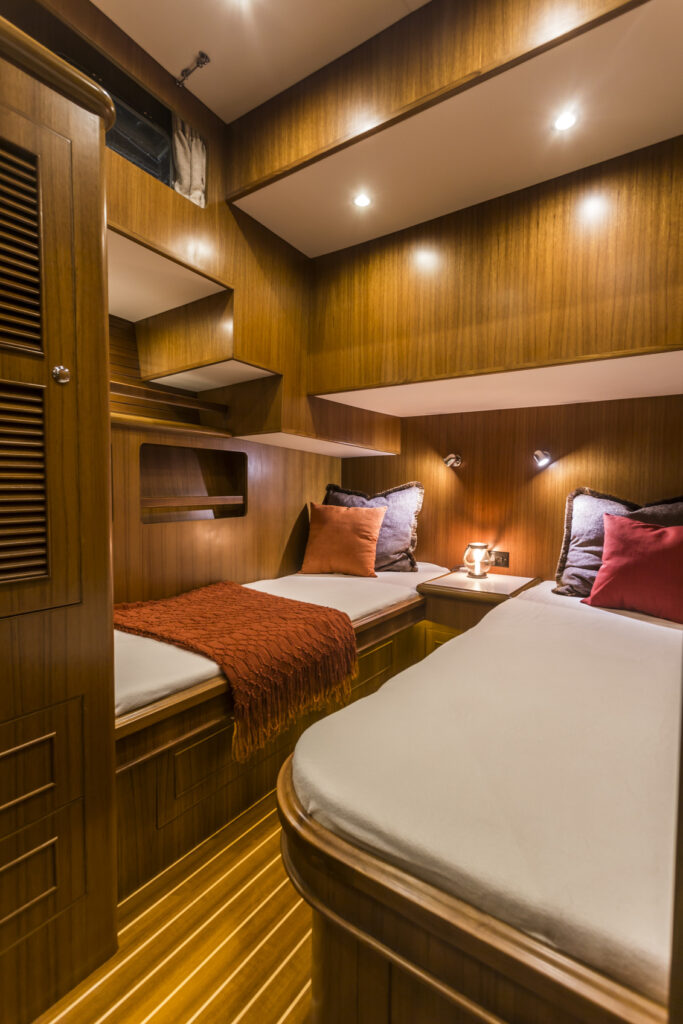
Cruising the Pacific Northwest outside peak summer is one of the great rewards of owning the right yacht. Anchorages are quieter, shoulder-season light can be spectacular, and the cruising calendar expands dramatically. But anyone who spends time aboard in spring, fall, or cool wet stretches knows that cabin comfort becomes its own systems challenge. Ready […]
Designing a Cruising Yacht Galley That Still Works When the Boat Is Moving
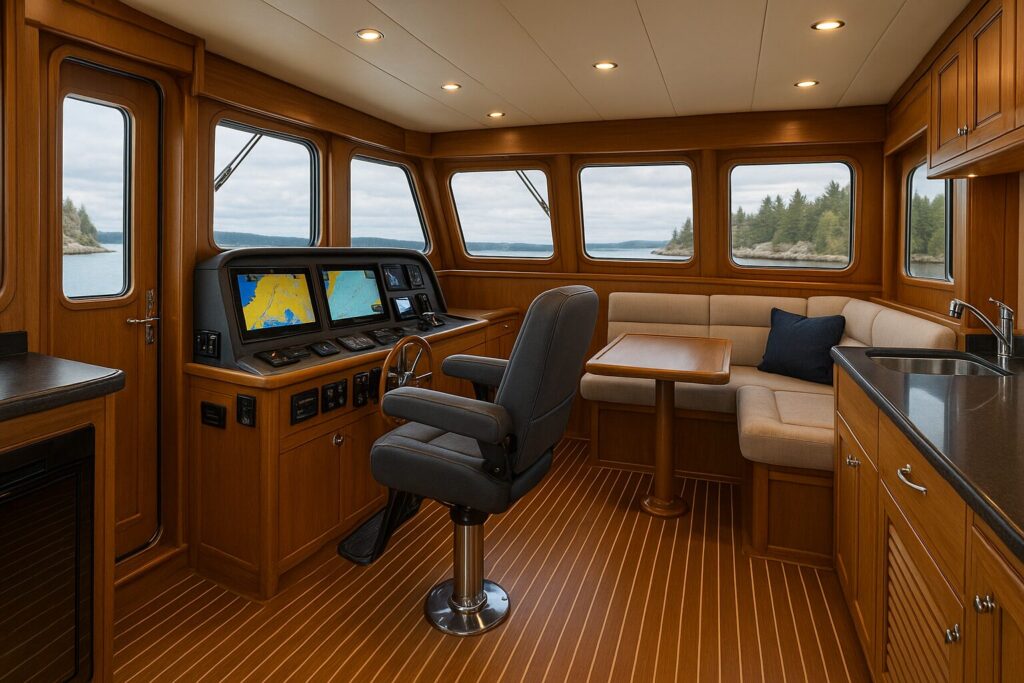
A yacht galley can look elegant at the dock and still be frustrating at sea. That disconnect usually comes from designing around appearance instead of workflow. For real cruising, the best galley is not simply attractive. It is secure, efficient, and easy to use when the boat is moving, the weather changes, and the person […]
Watchkeeping for Two-Person Crews: A Safer Routine for Long Days Underway
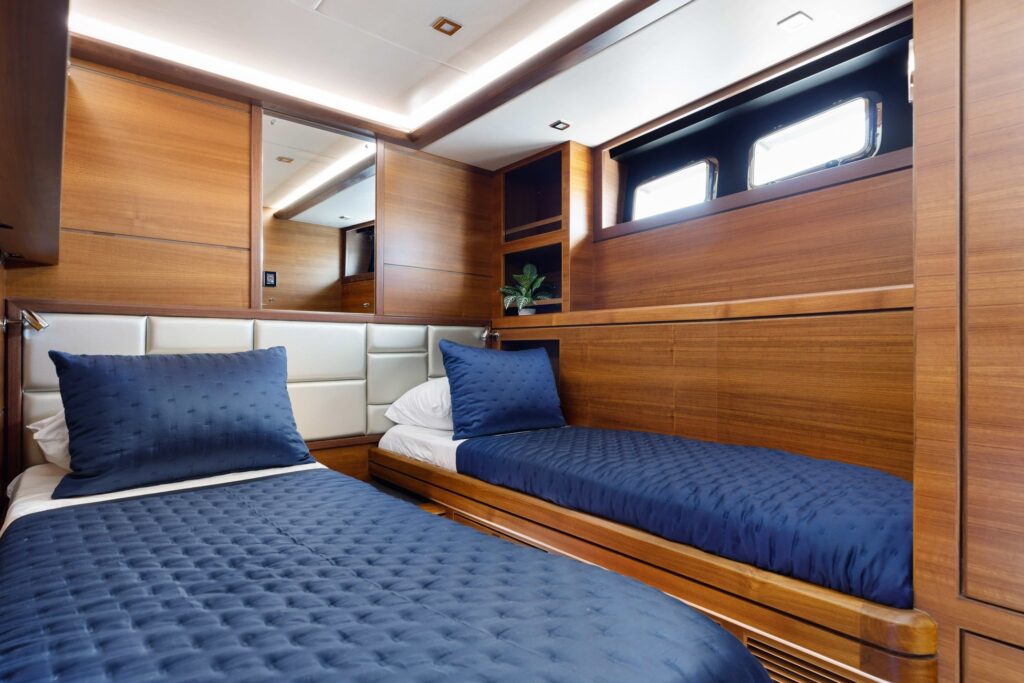
Two-person cruising crews enjoy a major advantage: communication is usually easier, and both people know the boat intimately. But that same simplicity can become a weakness on longer runs if watchkeeping is handled casually. Fatigue, drifting attention, and vague handoffs can turn a manageable day underway into a tiring one very quickly. Related reading: North […]
Docking a Single-Screw Trawler in Wind and Current Without Drama
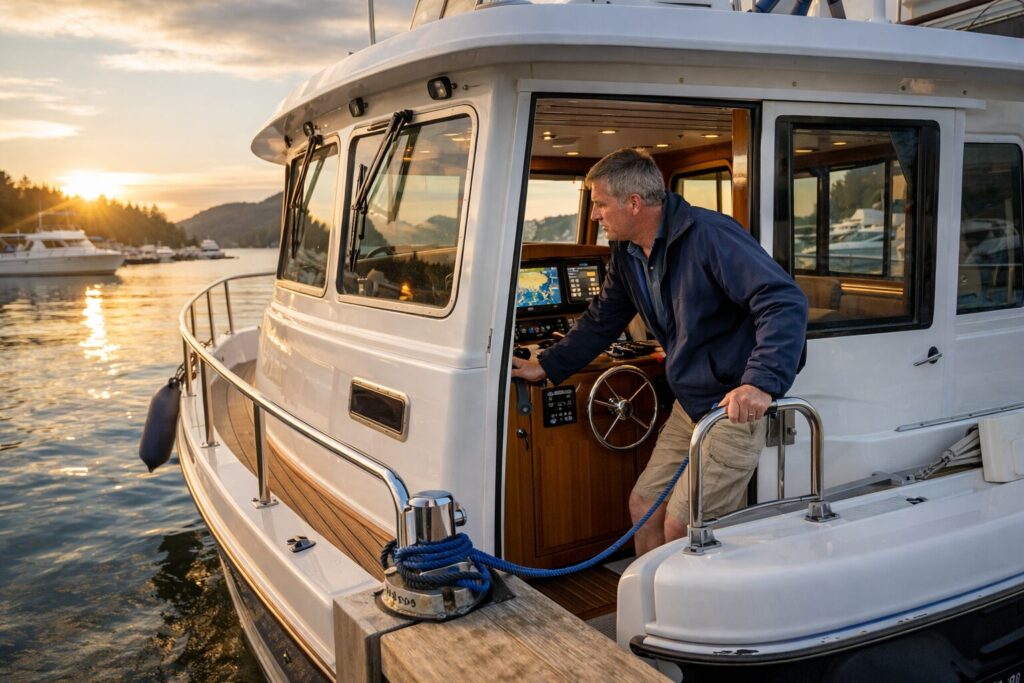
docking is where many otherwise confident owners feel their pulse rise. That is especially true in a single-screw trawler, where momentum, prop walk, windage, and current all become obvious at exactly the wrong moment. The good news is that successful docking is usually less about heroic boat handling and more about controlling the setup. Related […]
Fuel Planning for Long-Range Trawler Cruising: Range, Reserve, and Real-World Margins
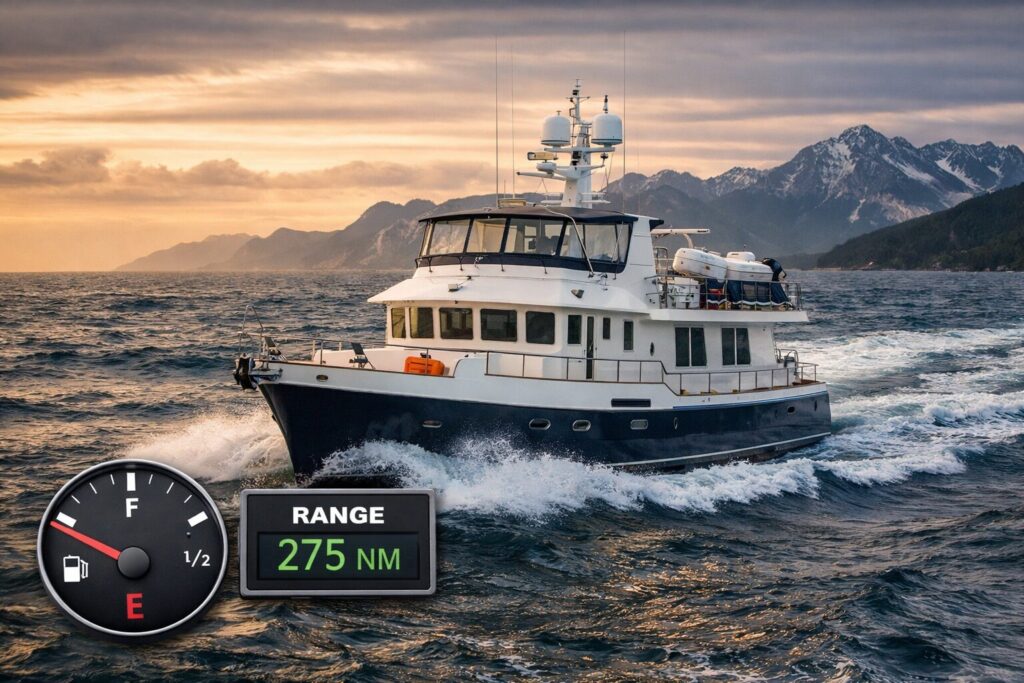
One of the most common mistakes in long-range cruising is treating published range as if it were a trip plan. It is not. Range figures are useful, but they are only a starting point. Real fuel planning lives in the space between ideal numbers and real conditions: wind, current, sea state, loading, detours, generator hours, […]
Storage and Payload Planning: The Overlooked Buying Test for a Cruising Yacht
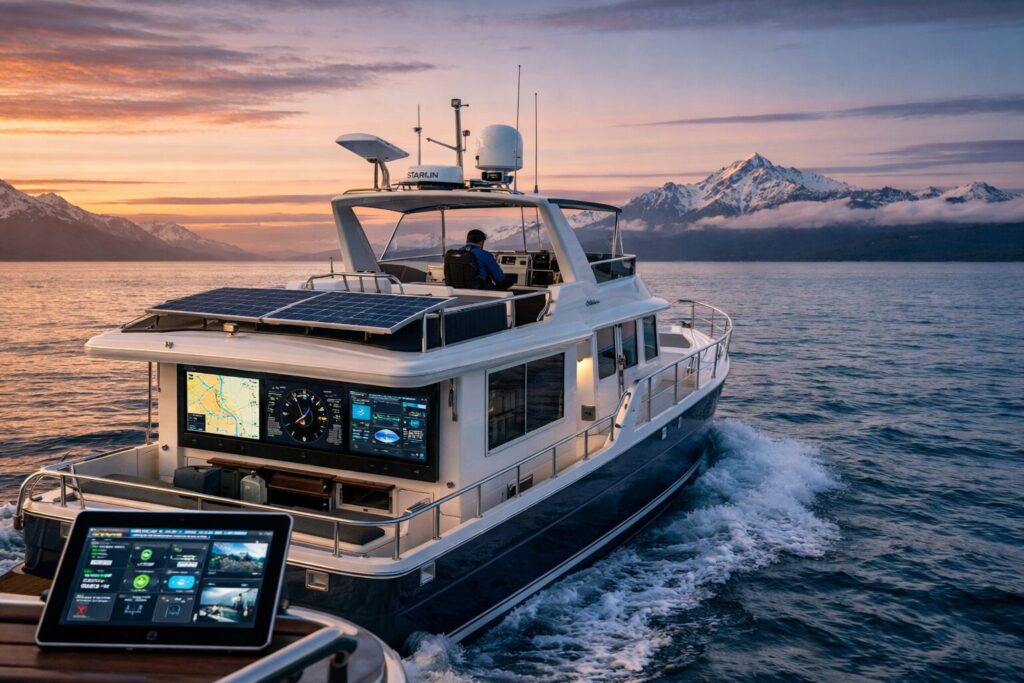
A cruising yacht can look perfect on paper and still disappoint in real ownership if it does not carry your gear well. Buyers spend plenty of time comparing length, horsepower, stateroom count, and finish quality, but storage and payload planning are often treated like afterthoughts. That is a mistake. Ready to learn more? Contact us […]
Sedan vs. Pilothouse for Owner-Operators: Which Layout Fits Your Cruising Style?
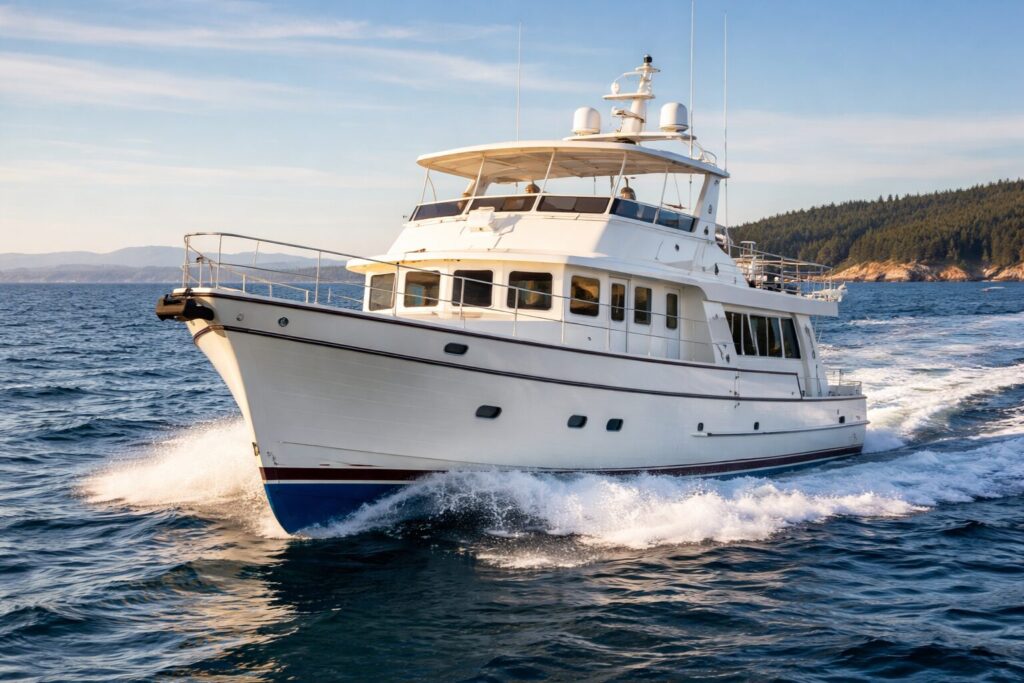
Shopping for a cruising yacht gets much easier when you stop asking which layout is better and start asking which layout fits the way you actually use a boat. That is especially true when comparing a sedan layout with a pilothouse layout. Both can be beautiful, capable cruising platforms. The right choice depends on where […]
Planning the Great Loop in a Trawler: Boat Setup, Timing, and Route Tradeoffs
The Great Loop is one of the most recognizable long-distance cruising journeys in North America, and it naturally captures the imagination of many trawler owners. It combines inland waterways, coastal passages, changing climates, and extended liveaboard time into one long route that feels both aspirational and deeply practical. For many buyers, it also becomes a […]
Seawater Strainers, Raw Water Flow, and Overheating Prevention on Cruising Yachts
Cooling-system problems have a way of becoming expensive faster than owners expect. A reduction in raw-water flow can start with something as simple as debris in a strainer basket, minor growth near an intake, or a component that is no longer moving enough water under load. Left unchecked, that small restriction can turn into higher […]
Why Pilothouse Windshield Wipers, Washers, and Demisters Matter Offshore
On a serious pilothouse yacht, visibility is not just about having big windows. It is about keeping those windows usable when spray, salt, rain, glare, and temperature changes begin working against the operator. That is why windshield wipers, washers, and demisters deserve more attention than they usually get in a simple feature list. They are […]