
North Pacific Yachts vs. Ranger Tug Trawlers: Head-to-Head Comparison
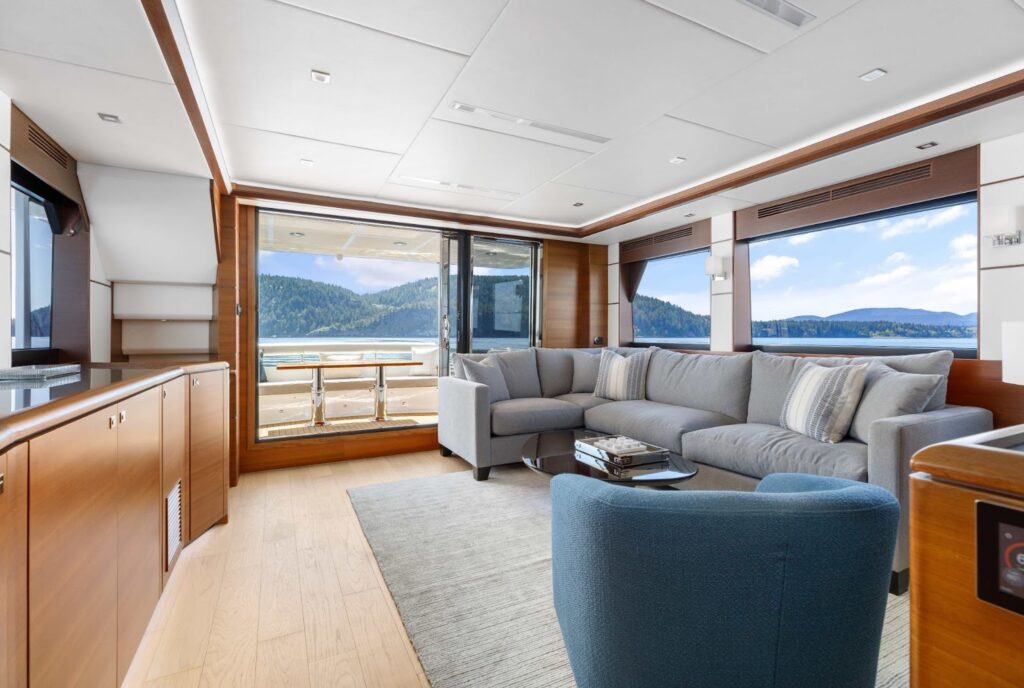
In the world of trawlers, two prominent names often enter the conversation: North Pacific Yachts and Ranger Tug. Both offer distinct approaches to design, construction, and the yachting lifestyle, catering to different cruising goals and priorities. This comparison explores those key differences, helping you chart a course towards the trawler that best aligns with your […]
North Pacific Yachts or American Tug: Choosing the Right Trawler for Your Lifestyle
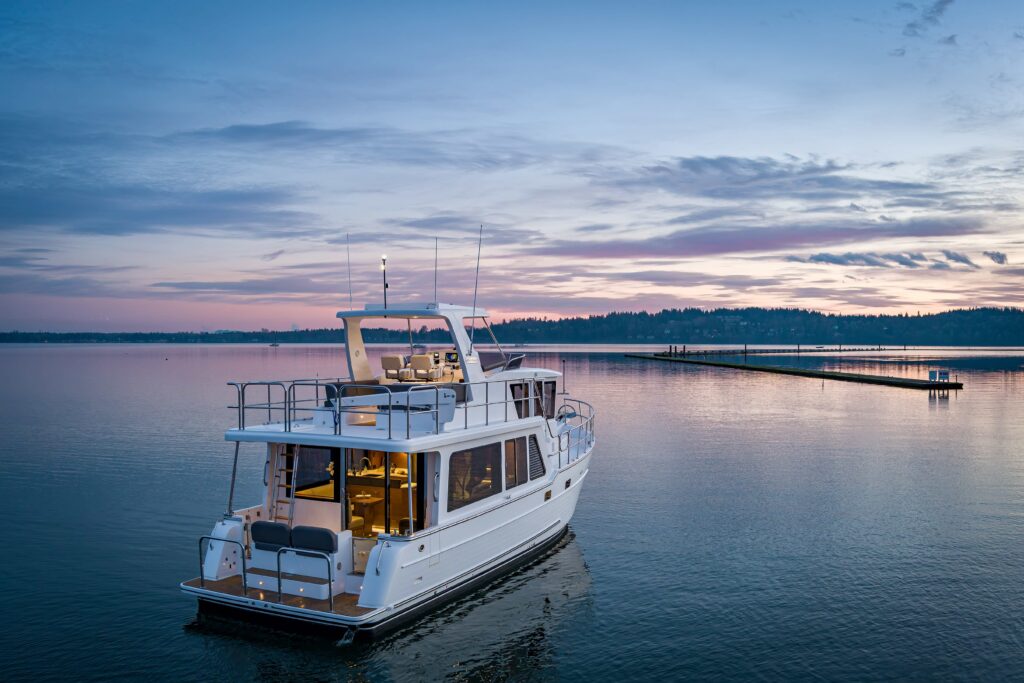
When choosing a trawler-style yacht, North Pacific Yachts and American Tug often top the list. Both builders offer semi-custom vessels designed for comfortable long-range cruising, but their approaches to design, construction, and customization differ. At North Pacific Yachts, we prioritize world-class craftsmanship, luxurious interiors, and extensive personalization options, while American Tug emphasizes practical designs and […]
North Pacific Yachts vs. Selene Ocean Yachts: A Comprehensive Comparison
Choosing the right yacht is a deeply personal journey, and at North Pacific Yachts, we’ve been charting that course with our clients since 2004. We approach yacht building with a modern, collaborative spirit, crafting vessels that seamlessly blend personalized comfort, innovative design, and enduring quality. While Selene Ocean Yachts shares a similar market space, their […]
North Pacific vs. Fleming Yachts: Comparing Quality, Features, and Value
Choosing the right yacht is a significant decision, one that requires careful consideration of various factors, including build quality, design, equipment, performance, and overall value. Both North Pacific and Fleming are well-respected yacht builders, but they cater to different segments of the market with distinct approaches to design and construction. We at North Pacific Yachts […]
North Pacific Yachts vs. Outer Reef Yachts: A Comprehensive Comparison
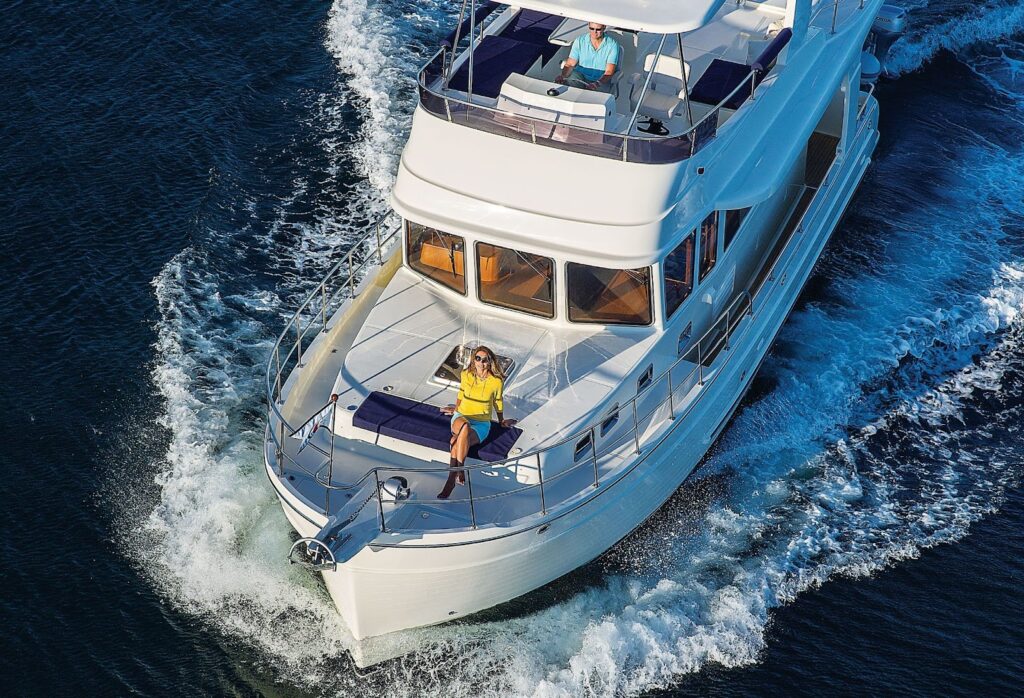
Choosing the right yacht builder is a pivotal decision, one that shapes your experience on the water for years to come. For discerning yachtsmen seeking a blend of luxury, performance, and customization, North Pacific Yachts and Outer Reef Yachts often emerge as top contenders. Both companies have carved a niche for themselves in the semi-displacement, […]
North Pacific & Helmsman Trawlers Compared: Features, Performance & Value
A Tale of Two Trawlers: North Pacific and Helmsman At North Pacific Yachts, our legacy is built upon a passion for crafting exceptional long-range cruising yachts. We’ve been exceeding expectations for decades, tailoring each yacht to the unique vision of its owner. Our models, spanning 44 to 64 feet, embody the perfect harmony of robust […]
North Pacific Yachts vs. Kadey-Krogen: A Trawler Comparison Guide
Two Giants of the Trawling World A Tale of Two Hulls: Semi-Displacement vs. Full Displacement Our semi-displacement hull design is fundamental to the North Pacific Yachts cruising experience. It balances the efficiency of a full displacement hull with the performance of a planing hull, achieving higher cruise speeds (often 10-12 knots) while maintaining excellent fuel […]
Navigation and Communications Redundancy for Remote Cruising
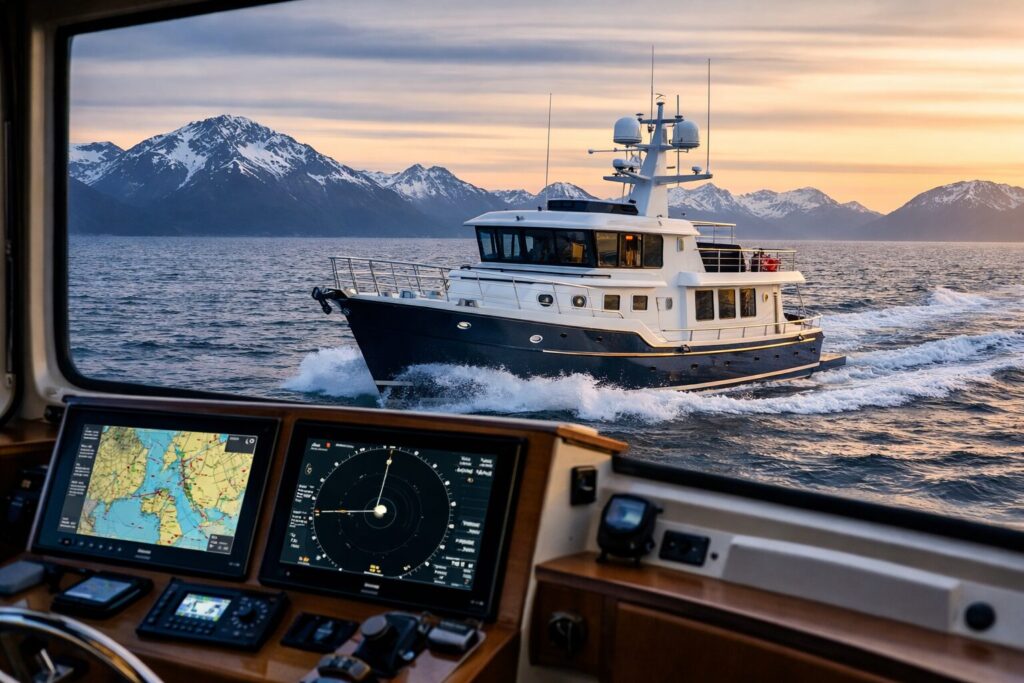
Remote cruising has a way of clarifying what “good enough” really means. When anchorages are farther apart, cell coverage becomes inconsistent, weather windows matter more, and support is not close at hand, redundancy stops being a technical buzzword and becomes part of basic seamanship. Related reading: North Pacific Yachts models. Ready to learn more? Contact […]
The Commissioning Checklist to Use Before Your First 30-Day Cruise
A thirty-day cruise exposes every weak assumption you have about your boat. That is not bad news. It is simply long enough for small inconveniences to become patterns and minor oversights to become operational problems. The solution is not to overcomplicate departure. It is to commission the boat with the seriousness of a longer living-and-traveling […]
A Seasonal Maintenance Calendar for Pacific Northwest Cruising Yachts
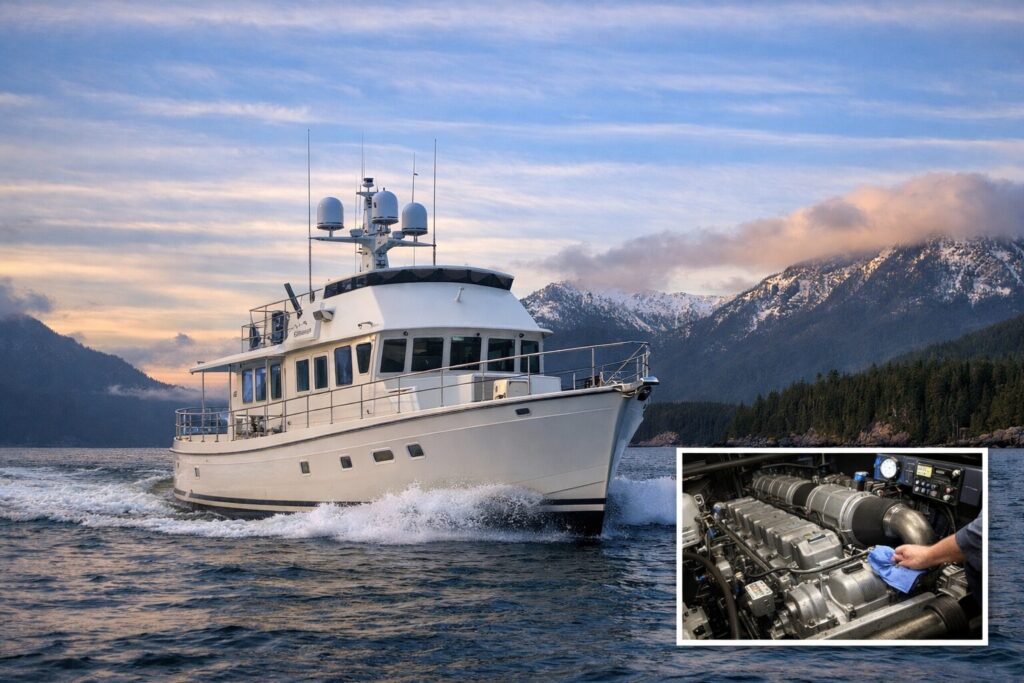
One of the best ways to protect the value and reliability of a cruising yacht is to stop thinking about maintenance as a reactive chore. The owners who enjoy the fewest trip-disrupting surprises are usually the ones who work from a calendar, not a crisis. Ready to learn more? Contact us to get started. An […]