

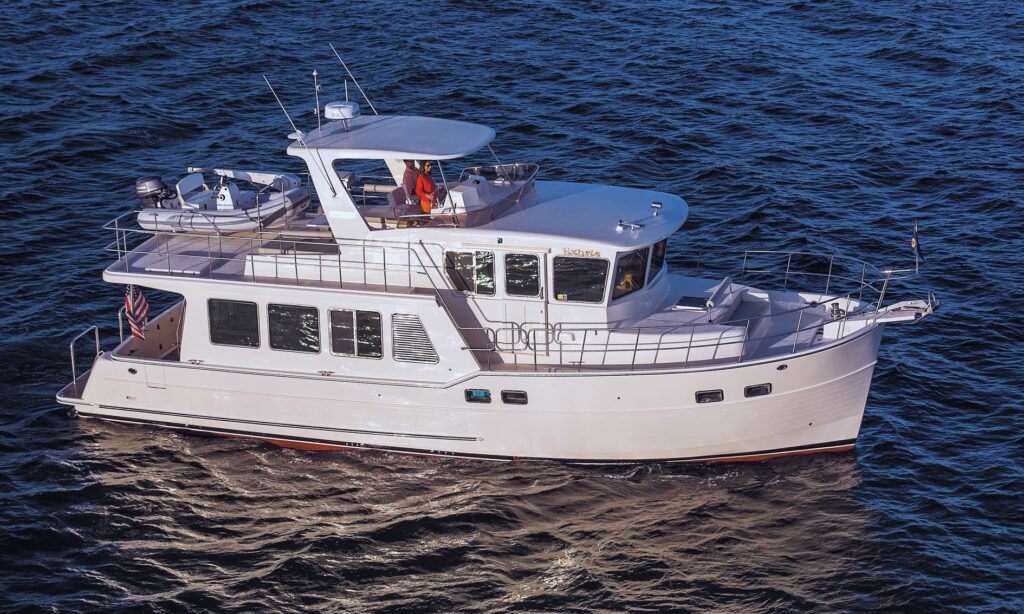
A pre-purchase survey helps you move beyond listing photographs and a walkthrough to an independent assessment of a used trawler. It can identify condition concerns, limitations and questions that need further work before you decide whether the purchase fits your cruising plans.
The useful result is clarity about the boat, not a simple pass-or-fail label. Arrange an appropriate scope, give the professionals relevant records and use the findings to plan further inspection, estimates and purchase discussions.
Defining Survey Scope and Assembling Your Inspection Team
Select an independent surveyor with relevant experience and agree the work before the inspection. Ask about credentials, similar-vessel experience, insurance, conflicts of interest and a sample report. The Society of Accredited Marine Surveyors identifies member classifications and specialties; a credential helps you ask questions but does not establish the scope of your individual survey.
Clarify what will be inspected afloat, during haulout and on a sea trial. Ask which systems receive limited checks, what remains inaccessible and whether an engine or other specialist is needed. Currents Marine Survey provides one practical example: its published process includes hull and systems work and sea-trial evaluation, while engine surveys are outside its own service. Other professionals may offer different arrangements.
Agree access, operator, yard arrangements, fees and timing with the relevant parties. If the purchase has survey deadlines or conditions, review them with your broker or appropriate adviser. The surveyor should know the boat and intended use well enough to explain what the proposed work can and cannot answer.
Using Vessel Records to Direct the Surveyors
Give the survey team maintenance logs, service invoices, prior surveys, refit records and available drawings before the visit. Identify known faults, repairs and periods of storage. Records can help the team decide where further investigation is useful; they do not prove the present condition by themselves.
Useful material includes:
- Engine, transmission and generator service history and available fluid-analysis trends.
- Yard invoices and records of hull, deck, running-gear or tank work.
- Equipment replacements, dates and exact models.
- Drawings and invoices for electrical, plumbing and other modifications.
Ask the relevant professional how a recorded overheat, leak or modification should affect the scope. Do not prescribe a teardown from an invoice or treat a drawing as proof that an installation complies with a standard.
Keep title, documentation, lien and tax questions with appropriate transaction or legal professionals. A condition survey is not a substitute for the ownership and closing checks needed for the purchase.
Dockside Systems and Hauled-Out Hull Inspections
Haulout can give access to underwater surfaces and running gear that are difficult to assess afloat. Ask the surveyor how the hull material, coatings, conditions and access affect the methods used and interpretation of findings. An instrument reading or visible discoloration is a clue for professional evaluation, not a buyer diagnosis.
At the dock, the agreed survey may address deck and interior condition, machinery spaces, electrical systems, plumbing, steering and safety equipment. Keep the scope and limitations visible.
| Area | Useful questions about findings |
|---|---|
| Hull, deck and openings | What damage, leakage or moisture concern needs further investigation? |
| Structure and bilges | What can be seen, and which areas remain inaccessible? |
| Machinery and running gear | What does the survey establish, and which specialist checks remain? |
| Electrical and plumbing systems | What modifications, condition concerns or missing records affect evaluation? |
| Domestic and safety equipment | What was demonstrated, and what was excluded or could not be tested? |
Accompany the inspection if agreed, but leave testing and disassembly to authorized professionals. Point out stains, odors, unusual sounds or confusing records and ask how they will be investigated.
Use the visit to evaluate serviceability as well. Ask how routine maintenance points and replacement paths are reached. Access obstacles matter to ownership, but they do not prove a previous owner neglected the equipment.
Sea Trial Dynamics and Mechanical Testing
Agree a sea-trial plan with the operator, surveyor and any machinery specialist. Identify who operates the boat and who performs the observations. Testing needs the seller’s permission, suitable conditions and the installed equipment’s instructions.
Ask the engine specialist which checks are appropriate for the particular engine and rating. Operating temperatures, pressures, RPM, diagnostic information and other observations should be interpreted against the relevant manufacturer criteria and test conditions. A universal full-load or maximum-throttle instruction is not suitable for every boat.
Observe vibration, smoke, steering response, visibility and crew movement. Record what happens and when, then let the professionals interpret the cause. Domestic or electrical loads should be exercised under an appropriate plan rather than turning everything on indiscriminately.
The trial adds operating evidence to the condition assessment. It does not test every possible weather condition or eliminate the limitations stated in the report.
Translating the Written Survey into a Buying Decision
Agree when reports and any laboratory results will be available. Read the findings with the surveyor and ask which are urgent, which require further investigation and which concern routine maintenance or appearance.
A useful decision sheet separates:
- Conditions affecting safety or essential operation.
- Significant repair or service work and its uncertainty.
- Routine maintenance and cosmetic work.
- Inaccessible, untested or inconclusive areas.
Get written estimates from suitable yards or specialists for consequential work. Ask what remains uncertain, whether further inspection is needed and what might affect the estimate. Avoid treating an oil result or visible defect as a complete repair diagnosis.
Discuss findings and possible price or repair arrangements with your broker and appropriate advisers. Reinspection, seller-completed work, an adjustment or declining the purchase may be options, depending on the actual agreement. Whether a contingency permits rejection or deposit recovery is a contract question, not a promise a general survey guide can make.
The survey report informs the decision alongside your budget, plans and tolerance for unresolved work. It does not provide an automatic formula for accepting or walking away.
Resolving Contingencies and Next Steps
Before closing the relevant purchase decisions, check that the important questions have answers:
- Are agreed reports and specialist results available and understood?
- Do inaccessible or untested systems need further review?
- Have consequential repair estimates and uncertainties been discussed?
- Have insurance, title and contractual questions reached the appropriate professionals?
- Are any price, repair or follow-up arrangements recorded in the purchase documents?
A survey is an assessment made at a particular time within a stated scope. Its findings do not guarantee the condition of hidden or uninspected areas, or how equipment will behave throughout future ownership.
After purchase, use the findings to organize repairs, maintenance and a commissioning checklist suited to the actual boat and first trip. Keep the survey and subsequent work together in the vessel record.
If you are evaluating a pre-owned North Pacific yacht and would like to discuss model information or boat-specific questions, contact our team.