

Living on a boat can offer adventure, freedom, and a simpler routine, but the right size depends on how you will use the space. Crew size, privacy, storage, budget, climate, marina access, and the systems you need all shape the answer. A boat that feels comfortable for one person may feel crowded for a couple working aboard or a family carrying more gear.
An actual layout provides the most useful comparison with your daily routine. Length provides a planning range, but it does not guarantee comfort. The arrangement of cabins, galley, heads, storage, machinery access, decks, and helm stations can matter as much as the number on the specification sheet.
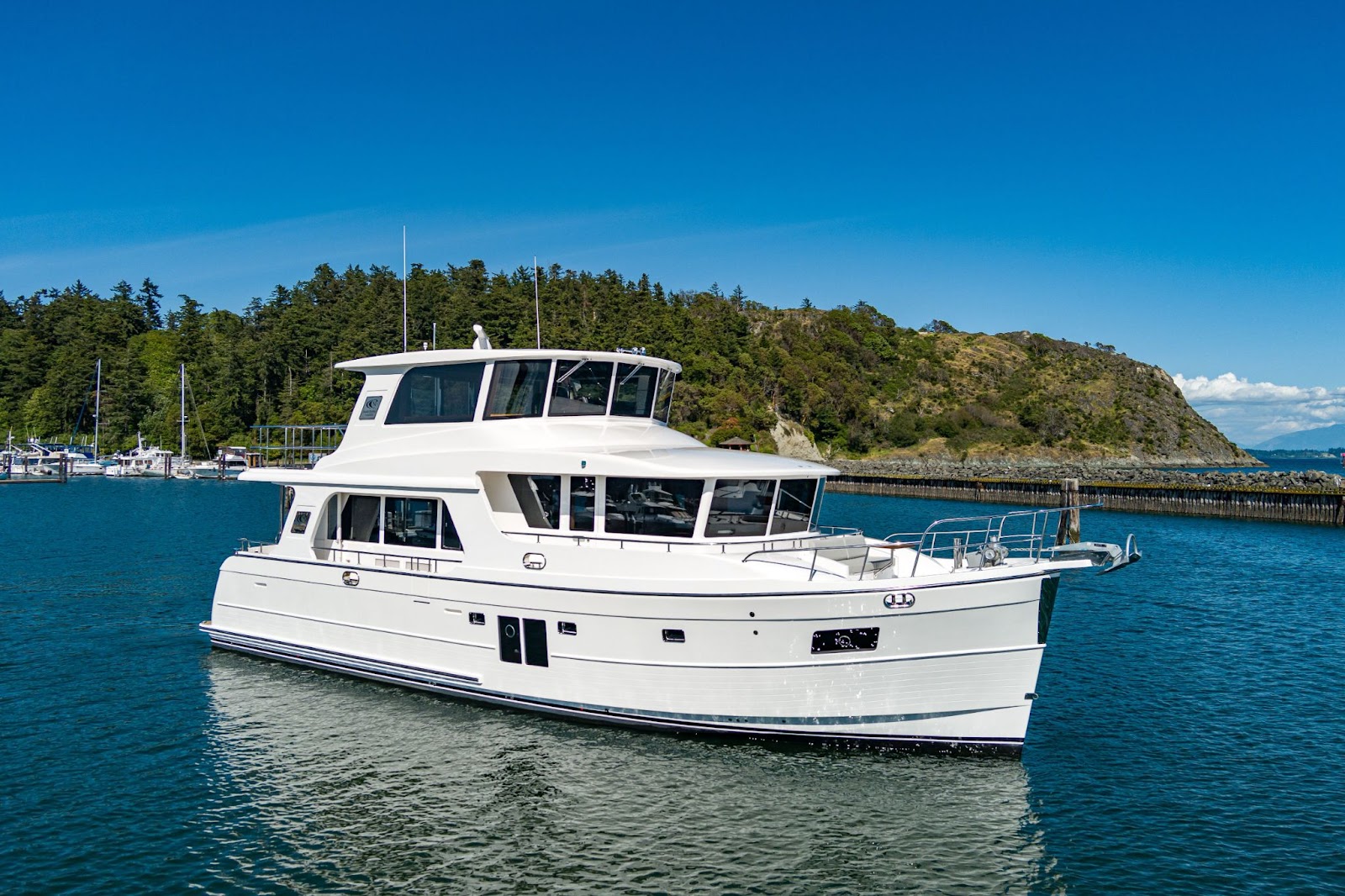
Factors Influencing the Ideal Liveaboard Boat Size
Space Requirements for Comfortable Living
The number of people aboard changes the amount and kind of space you need. Solo owners may accept one berth and a compact work area. Couples may care more about moving past each other, keeping different schedules, or separating work from sleep. Families and regular guests may need private cabins and more than one place to sit.
Prioritize the spaces you will use every day:
- Sleeping quarters: Check berth access, privacy, ventilation, and whether bedding can remain in place.
- Galley: Look for enough counter space, food storage, refrigeration, and room for the cook to work while someone passes through.
- Heads: Consider the number of people aboard, shower arrangements, tankage, and how a shared head affects the morning routine.
- Storage: Assign a place for clothes, provisions, tools, safety equipment, spare parts, and bulky gear before assuming the lockers are sufficient.
Storage volume also needs practical access. A large compartment loses value when daily items sit behind machinery or under a berth that must be stripped to open it.
Onboard Systems and Self-Sufficiency
Start with the time you expect to spend away from shore services. Water capacity, charging, refrigeration, climate control, sanitation, and communications should match that routine. A marina-based liveaboard may depend on shore power and frequent pump-outs. Longer periods at anchor may call for more tankage, charging capacity, or water-making equipment.
Size can create room for equipment, but installation, capacity, access, and maintenance still require boat-specific review. Solar panels, batteries, generators, and watermakers do not ensure independence by themselves. Estimate daily use, identify how each system is replenished, and check whether the crew can inspect and service it.
Waste planning deserves the same attention. Tank capacity, discharge and pump-out rules, plumbing access, and expected crew use matter more than a universal preference for one toilet type.
Budget Considerations and Size Trade-offs
Purchase price is only one part of the budget. Compare dockage, haul-outs, insurance, fuel, cleaning, routine service, replacements, and upgrades for the specific boats on your shortlist. Marina pricing and available slip sizes can change the result by location.
Smaller boats often have less surface area and fewer spaces or systems to maintain. They may also limit storage and privacy. Larger boats can provide more room, but additional equipment and harder-to-reach surfaces may expand the maintenance list. A mid-sized boat is a useful planning category, not an automatic balance of cost and comfort.
Recommended Boat Sizes for Living Aboard
These ranges help organize a search. Each band includes layouts with very different beams, cabin arrangements, machinery spaces, and deck access, so compare the actual boat rather than treating length as a recommendation.
Small Boats (30–40 Feet)
A 30- to 40-foot boat may suit a solo owner or couple with a compact routine. Lower length can make some marina searches and close-quarters handling simpler, depending on beam, draft, windage, propulsion, and local conditions.
The main constraints are usually storage, privacy, tankage, and the way one space serves several purposes. Test the layout as if you were already living there. Make the berth, cook a meal, open the head door, set up a work surface, and identify where wet gear and provisions would go.
Mid-Sized Boats (40–50 Feet)
The 40- to 50-foot band often gives buyers more layouts to compare for separate sleeping, cooking, working, and storage needs. Some boats add a second cabin or head; others use the added length for a larger salon, wider side decks, or machinery access. Those choices differ by model.
This band can suit couples or small families when the particular arrangement supports their routine and the regular crew can operate the boat. Compare sightlines, line handling, access to the deck, and the distance between helm and working stations alongside the interior.
Large Boats (50+ Feet)
Boats over 50 feet can offer more cabins, storage, or separation between living areas. Added length may also bring more systems, surface area, dockage constraints, and crew tasks. Check whether the extra space solves a daily need or adds rooms and equipment you rarely use.
Larger layouts are especially worth studying as drawings before a visit. For example, the current 590 Pilothouse layout drawings provide a concrete plan to trace movement between cabins, shared spaces, helm, deck, and machinery areas. The drawings help frame questions; they do not establish that the boat will suit every liveaboard crew.
Features That Enhance Comfort on Liveaboard Boats
Interior Layout and Design
Usable space matters more than an open appearance alone. Walk the route between the berth, head, galley, seating, helm, and deck. Look for door conflicts, narrow passages, steep steps, low overheads, and spaces that become unavailable when another area is in use.
Boats of similar length can distribute space differently. The current North Pacific 44 Sedan page shows an extended salon with full walkaround decks or a wide-body salon with a side deck. Its 45 Pilothouse counterpart identifies a salon, galley, master stateroom, flexible guest stateroom, head arrangement, high ceilings, and large windows. These are layout examples, not universal comfort claims.
Natural light and ventilation can make the interior more pleasant, while insulation, heating, cooling, and moisture control become more important in demanding climates. Confirm how each feature works at the dock and away from shore power.
Storage Solutions
Hidden compartments and furniture with built-in storage can keep living areas clear. Accessibility still matters. Frequently used items should be easy to reach, while tools, spares, safety equipment, and provisions need secure places that do not obstruct inspections or escape routes.
Plan for the largest items you expect to carry. Bicycles, water toys, fishing gear, spare anchors, and long-term provisions can consume deck or locker space quickly. Measure them and assign each item a location before choosing a boat.
Technology and Connectivity
Remote work and regular communication may require cellular, Wi-Fi, or satellite equipment. Coverage, power draw, mounting location, service plan, and backup options vary. Test the setup in the areas where you expect to cruise or live.
Navigation and entertainment electronics can support daily life, but they also add power demand and maintenance. Choose equipment for the way you will use the boat, then include it in the charging and service plan.
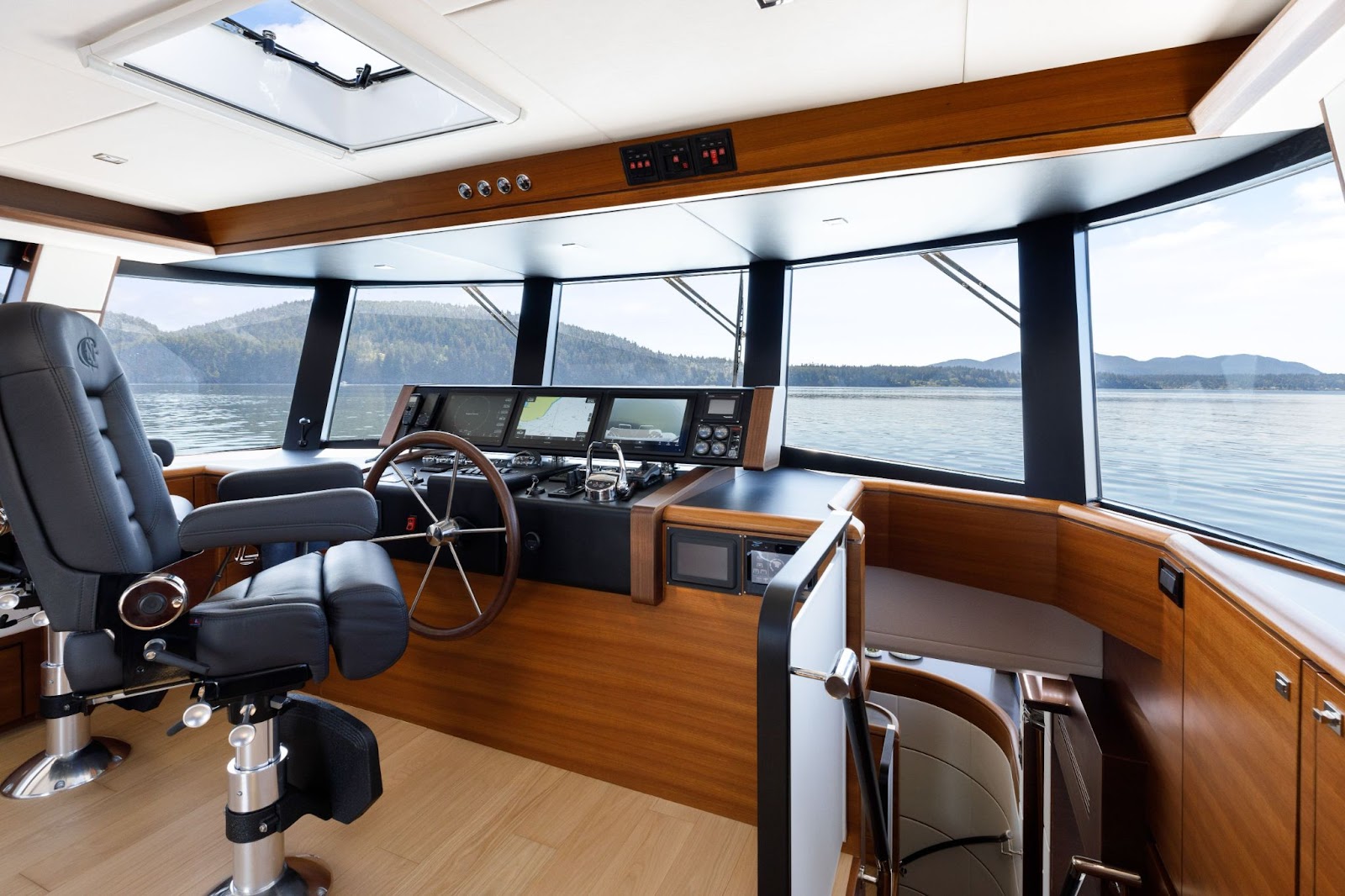
How Boat Type Changes the Space
Trawler Yachts
Trawler yachts cover many hull forms, speeds, layouts, and equipment packages. Some devote substantial space to accommodations and storage, while others prioritize deck access, machinery, or a particular helm arrangement. Compare the layout and operating data for the specific boat instead of assuming the label establishes range, stability, fuel use, or liveaboard comfort.
Catamarans
The beam of a catamaran can create living areas spread across two hulls and a central platform. That width also affects slip availability, dockage, and close-quarters planning. Interior volume, cabin access, motion, draft, and load-carrying limits vary by design, so inspect the actual model and expected marina options.
Sailboats
Sailboats use space differently because the rig, sail handling, cockpit, keel or centerboard arrangement, and auxiliary propulsion all shape the layout. A sailing liveaboard may value reduced engine use under sail, but still needs a plan for power, storage, weather, maintenance, and crew workload. Compare those routines with the interior rather than assuming sail alone makes a boat self-sufficient or inexpensive to own.
Practical Questions Before Choosing a Size
What Is the Minimum Comfortable Size for You?
There is no universal minimum. One person may live comfortably aboard a compact boat with a simple routine, while another needs a private work area, more storage, or separate sleeping spaces. Write down the daily activities the boat must support and test them on each candidate.
A useful trial goes beyond standing in the salon. Spend time moving through the boat with the likely crew. Open lockers and hatches, use the galley and head, make the berths, and check whether two people can complete different tasks without blocking each other.
When Does More Length Mean More Work?
Additional length creates value when it solves a specific problem, such as privacy, storage, machinery access, or safer movement for your crew. It creates more work when added systems, cleaning, dockage, and handling demands exceed the benefit of the extra space.
Review who will dock, handle lines, anchor, keep watch, clean, and maintain the boat. Bow or stern thrusters and autopilot may reduce parts of the workload, but equipment cannot replace training, practice, or a crew plan for the conditions you expect.
Where and When Will You Live Aboard?
Climate changes the value of ventilation, shade, insulation, heating, cooling, and covered exterior routes. Location affects slip availability, shore power, pump-out access, draft limits, and seasonal weather. Your cruising route also changes how much water, power, food, and spare equipment the boat must carry.
Compare these needs across a full year, including the least comfortable season. A boat that works well for summer weekends may feel different during a wet winter, a hot month without shore power, or an extended stay away from familiar services.
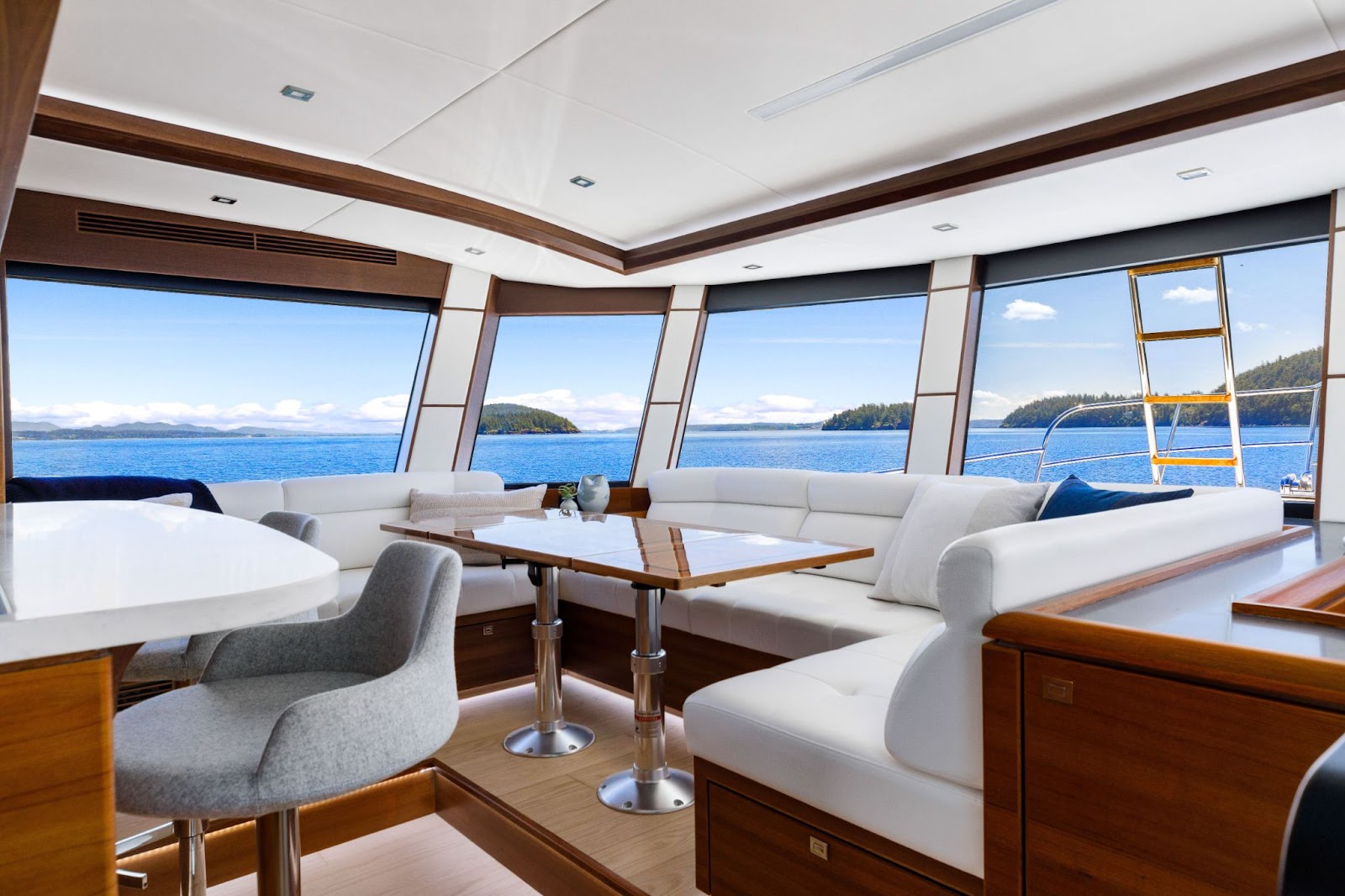
Use your crew routine, operating area, and budget to compare real layouts. If you want to discuss how those needs align with current North Pacific layouts, contact North Pacific Yachts.
Sources
Living Aboard
Find the right layout for your daily routine
Compare layouts across our fleet to see how living spaces, storage, and stateroom configurations match your crew. When you want to narrow down your options, reach out to begin planning with us.