
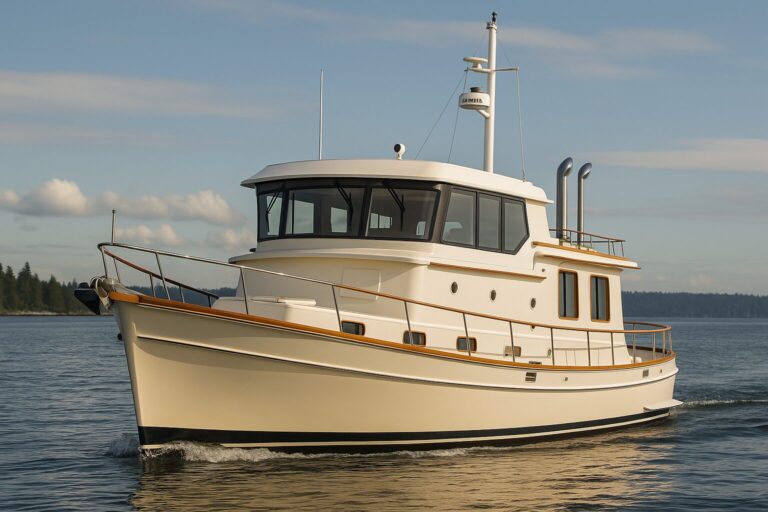
There’s a timeless charm to classic boats that new vessels simply can’t match. The craftsmanship, lines, and character of vintage trawlers or traditional yachts tell a story of adventure and heritage. Yet, while their beauty endures, their functionality sometimes falls short of today’s standards for comfort, safety, and navigation. That’s where retrofitting comes in. Retrofitting a classic boat with modern pilothouse features allows owners to keep the vessel’s character while upgrading its performance and usability for modern cruising.
The Appeal of Modern Pilothouse Features
A pilothouse serves as the control center of any serious cruising yacht. It provides protection from the elements, superior visibility, and a comfortable space to navigate, often combining helm operations with social or lounging areas. When you retrofit a classic boat with a modern pilothouse design, you’re not just adding convenience, you’re transforming the overall cruising experience. See What is a Raised Pilot House?
Modern pilothouse designs focus on ergonomics, technology, and comfort. They integrate advanced navigation systems, digital controls, and efficient layouts that simplify long-distance voyages. Features like multi-function displays, touchscreen dashboards, and integrated radar or sonar systems give captains the kind of situational awareness that vintage vessels were never designed for. Beyond that, upgraded insulation, climate control, and soundproofing make time spent at the helm more enjoyable in all weather conditions. Retrofitting these elements into a classic hull gives boaters the best of both worlds. You maintain the graceful lines and traditional aesthetic of an older yacht while gaining the reliability and performance of modern systems.
Balancing Tradition and Innovation
One of the biggest challenges in retrofitting is achieving harmony between classic style and new functionality. The goal is to enhance, not erase, the vessel’s original character. This means carefully designing and constructing the pilothouse so that it complements the existing lines and proportions of the boat.
For example, when adding or modifying a pilothouse on a vintage trawler, designers consider the height and slope of the roof, window shapes, and material choices. Using high-quality marine wood trims, polished metal accents, and tempered glass windows can help blend old-world craftsmanship with contemporary engineering. Many modern pilothouses incorporate panoramic windows that improve visibility without disrupting the boat’s silhouette, giving the helm a light and open feel.Inside, modern seating, LED lighting, and digital control panels can be installed alongside traditional joinery and finishes. This thoughtful combination allows the owner to retain the warm, inviting feel of a classic vessel while benefiting from the comfort and safety of modern technology.
Key Upgrades to Consider
Retrofitting a pilothouse involves more than just redesigning the space. It often requires structural, mechanical, and electrical upgrades to support new systems safely and efficiently.
Navigation and Electronics
The most obvious area for modernization is the navigation suite. Installing modern chart plotters, radar, AIS systems, and autopilot features transforms how a classic boat handles open water. Integrated electronics allow for real-time tracking, collision avoidance, and automated route planning. This not only enhances safety but also makes long-range cruising more enjoyable and stress-free.
Steering and Control Systems
Many older boats use hydraulic or cable steering systems that lack the precision and responsiveness of today’s fly-by-wire or electronic options. Upgrading to a more modern helm system provides smoother handling and better feedback, especially in rough conditions. Coupled with bow and stern thrusters, docking and maneuvering become significantly easier for smaller crews.
Visibility and Comfort
A modern pilothouse retrofit often includes new window designs and materials. Large, tinted, and thermally efficient glass improves visibility and reduces glare. Adding defogging systems, windshield wipers, and adjustable blinds enhances usability in varying conditions. Inside the pilothouse, air conditioning, heating, and ergonomic helm seats create a space where the captain and crew can comfortably spend long hours underway.
Lighting and Power Management
Retrofitting is also a good time to update the boat’s electrical systems. Modern LED lighting, USB charging ports, and digital switching panels provide efficiency and ease of control. Integrating solar panels or lithium battery systems offers more sustainable and dependable power options for extended cruising.
The Structural Considerations
A successful retrofit depends on more than just adding equipment. The pilothouse must integrate seamlessly into the vessel’s structure. This may involve reinforcing the deck or superstructure to handle the added weight and ensuring proper weight distribution to maintain stability and balance. Naval architects and marine engineers often work together to assess how the new pilothouse will affect the boat’s center of gravity and hydrodynamics.
Waterproofing, sealing, and drainage are equally important. A pilothouse retrofit must prevent water intrusion, especially around windows, doors, and joints. Using marine-grade materials such as fiberglass, aluminum, or composite panels helps achieve both durability and a high-quality finish.
Customization for the Modern Cruiser
Every retrofit is unique because every owner has different needs. Some prefer a minimalist pilothouse design focused solely on navigation, while others envision a multi-functional space that serves as both helm and living area. The beauty of retrofitting lies in customization.
Owners can decide on details like the placement of the helm, number of seats, or whether to include a small galley or lounge space within the pilothouse. Materials such as teak, mahogany, or composite wood veneers can be chosen to match the rest of the interior. With modern design tools and 3D modeling, it’s possible to visualize every element before construction begins, ensuring that the final result reflects both the vessel’s heritage and the owner’s lifestyle.
Why Retrofitting Makes Sense
Many boat enthusiasts choose to retrofit rather than purchase a new vessel because it’s a way to preserve history while adapting to modern standards. A well-maintained classic hull often offers exceptional seaworthiness, with solid construction that’s difficult to find in newer models. By upgrading the pilothouse, owners breathe new life into their vessel, extending its service life for decades.
Financially, retrofitting can be more cost-effective than buying a new yacht, especially when you already own a classic boat with sentimental or historical value. Environmentally, it’s also a more sustainable choice. Rather than scrapping an older vessel, retrofitting reduces waste and promotes responsible reuse of marine assets.
The Result: A Perfect Blend of Old and New
When done thoughtfully, a pilothouse retrofit can completely transform a classic boat without compromising its soul. The result is a vessel that performs to modern expectations while retaining the charm and craftsmanship of a bygone era. It’s a yacht that feels timeless yet contemporary, capable of crossing oceans or exploring coastlines in comfort and style.
We turn your cruising dreams into reality by developing bespoke trawler and pilothouse yachts built for comfort, safety, and performance. From the initial hull design to the final varnish, our experienced naval architects and craftsmen collaborate with you every step of the way, integrating fuel-efficient engines, ergonomic deck layouts, and beautifully appointed living spaces. With industry-leading warranties and personalized support, we make sure your new yacht feels like home the moment you step on deck. Reach out to us by email at info@northpacificyachts.com for personalized responses to all your inquiries. If you’d prefer a conversation, we invite you to give us a call at 1-877-564-9989.