
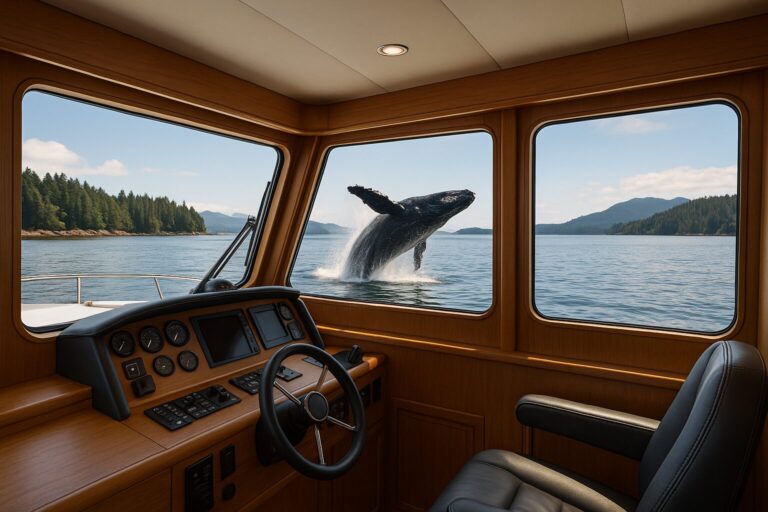
When yacht owners dream of their time on the water, they often imagine the open horizon stretching endlessly ahead, fresh air brushing their face, and the feeling of being deeply connected to the sea. One of the most important design elements that shapes this experience is the pilothouse. It is where long passages are planned, where navigation decisions are made, and where owners and guests often gather during a journey. For decades, the traditional pilothouse has been the standard on trawlers and cruising yachts, valued for its protection, strength, and heritage. Recently, however, panoramic windows have emerged as a trend, creating an entirely different onboard atmosphere that emphasizes openness, light, and visibility.
This evolution has sparked an ongoing conversation among yacht enthusiasts: which design is better suited for life at sea? While some argue that panoramic windows provide an unmatched sense of connection with the environment, others believe the classic pilothouse remains superior for safety, durability, and practicality. The reality is more nuanced, and the answer often depends on where you cruise, how you use your yacht, and what you value most in your time aboard.
The Case for Panoramic Windows
Panoramic windows are now one of the defining features of modern yacht design. These large, sweeping panels of glass stretch across the pilothouse, creating wide, uninterrupted views. For many owners, this changes not only how the pilothouse looks but also how it feels to spend time in it.
Visibility and Safety
From a practical standpoint, panoramic windows give captains exceptional visibility. Navigating through narrow inlets, harbors filled with traffic, or rocky coastlines becomes less stressful when you can clearly see your surroundings without needing to constantly shift positions. This wide field of vision helps spot potential hazards earlier, whether it is a buoy, another vessel, or floating debris. Owners often describe the pilothouse with panoramic windows as giving them “eyes everywhere,” which can boost confidence and reduce fatigue during long stretches at the helm.
Natural Light and Wellbeing
The psychological benefits of natural light are another major advantage. Panoramic windows flood the interior with daylight, turning the pilothouse into a bright, inviting space. Studies have shown that exposure to natural light improves mood, helps regulate sleep cycles, and increases overall wellbeing. For owners and crews on extended journeys, this can make a noticeable difference in comfort. On the often overcast waters of the North Pacific, large windows ensure the pilothouse never feels gloomy, even during gray days.
Connection to the Outdoors
For many yacht owners, the greatest pleasure of cruising lies in feeling connected to the surrounding environment. Panoramic windows deliver this in spades. Whether anchored in a quiet cove in British Columbia or navigating along the Alaskan coast, these windows allow you to enjoy spectacular scenery without leaving the comfort of the helm. Imagine watching whales surface nearby or mountains rising along the shoreline from a warm, protected seat — it creates an immersive experience that traditional designs cannot always replicate.
Modern Aesthetics
Panoramic windows also bring a sense of contemporary style to yachts. They reflect current design trends seen not just in yachts but also in luxury homes and vehicles, where open sightlines and natural light are highly valued. For prospective buyers, this modern aesthetic often translates to higher appeal and can help with long-term resale value.
The Case for Traditional Pilothouse Design
Despite the appeal of panoramic windows, the traditional pilothouse design remains deeply respected among yacht owners, especially those with extensive offshore experience. Its reputation for strength and practicality continues to draw loyal supporters.
Strength and Durability
The traditional pilothouse is built with smaller windows separated by sturdy framing, which provides structural integrity that many owners trust in challenging conditions. In rough seas, smaller panes of glass and stronger framing are less vulnerable to pressure and impact. For those who plan to cross long stretches of open ocean, this reassurance of durability can outweigh the benefits of extra light and visibility. The traditional layout has proven itself reliable over decades of service in commercial and recreational vessels alike.
Weather Protection
Weather in the North Pacific can shift in a matter of minutes. A traditional pilothouse offers excellent shelter in these conditions. Its smaller windows reduce glare on sunny days, prevent heat buildup, and minimize eye strain for captains who spend long hours at the helm. At the same time, they provide a fortress-like feel when rain, wind, or heavy seas roll in. Many seasoned captains describe the traditional pilothouse as a “safe cocoon” that allows them to focus on navigation without distraction.
Classic Look and Character
Aesthetics matter as much as functionality for many yacht owners. Traditional pilothouses carry a timeless, classic look that pays homage to the heritage of working trawlers and fishing vessels. Owners who value tradition often see this style as authentic and dignified, conveying a sense of history that panoramic designs cannot fully capture. For some, part of the joy of ownership is feeling that connection to the long lineage of seafarers who came before.
Privacy and Coziness
Another advantage is privacy. With fewer and smaller windows, the interior feels more enclosed and intimate. When docked in a busy marina, a traditional pilothouse shields you from prying eyes. It also creates a cozy, warm atmosphere inside, which some owners find more relaxing than the bright openness of a panoramic design.
Weighing the Trade-Offs
Choosing between panoramic windows and a traditional pilothouse is rarely a straightforward decision. Instead, it requires owners to think about how they plan to use their yacht and what they value most.
Cruising Grounds
For those who plan to spend most of their time in scenic cruising grounds such as Alaska, British Columbia, or Puget Sound, panoramic windows can transform every journey into a visual experience. Owners who enjoy spotting wildlife or simply admiring the landscape often find the trade-off worthwhile. On the other hand, those planning offshore passages or extended voyages in open seas may prefer the sturdiness and proven reliability of traditional pilothouses.
Lifestyle Onboard
The intended lifestyle also plays a role. Panoramic windows make the pilothouse feel like a social hub, a place where family and friends naturally gather. It can serve as both a command center and a lounge. By contrast, traditional pilothouses function more as a dedicated working space, focused on navigation with fewer distractions. For some owners, this professional, no-nonsense atmosphere is exactly what they want.
Maintenance and Practicality
There are also practical concerns. Large windows require more upkeep, showing salt spray, smudges, and condensation more quickly. They may also need specialized coatings or treatments to reduce glare and improve insulation. Traditional pilothouses require less maintenance but can feel darker and more confined. Owners need to weigh whether the enjoyment of panoramic views outweighs the additional work.
Resale Considerations
Resale is another factor. The yacht market has shown growing demand for modern, panoramic designs, especially among new buyers who value style and comfort. However, there remains a dedicated segment of experienced cruisers who actively seek traditional pilothouses for their strength and heritage. The better choice may depend on the type of buyer you imagine as the next steward of your yacht.
A Growing Trend Toward Hybrid Solutions
Many builders have recognized that yacht owners often want elements of both styles. This has led to the rise of hybrid designs, where windows are larger than those of traditional pilothouses but framed strongly enough to preserve structural strength. These designs aim to deliver expansive views without compromising safety.
Custom builders are especially well-positioned to offer flexibility. Owners can request modifications to balance openness with durability, ensuring the pilothouse reflects their unique vision. Some choose slightly smaller panoramic windows with thicker framing, while others opt for sliding panels that can be shaded or opened depending on the conditions. These compromises show that the debate is not necessarily an either-or choice but a spectrum of possibilities.
What Owners Really Prefer
In the end, preferences come down to individual priorities. Owners who value immersion in nature, natural light, and a modern aesthetic often gravitate toward panoramic windows. Those who prize seaworthiness, tradition, and privacy continue to favor traditional pilothouses. After speaking with many yacht owners and observing trends in custom builds, one truth is clear: both designs have strong appeal, and neither is going away. Instead, the conversation has encouraged innovation, with builders finding creative ways to honor tradition while embracing modern expectations.
Final Thoughts
The debate between panoramic windows and traditional pilothouses reflects the diversity of experiences yacht owners seek on the water. There is no universal answer because every yacht is a personal statement of its owner’s dreams and lifestyle.
For some, panoramic windows are the ultimate way to feel part of the landscape, to watch the world unfold around them without stepping outside. For others, the traditional pilothouse represents strength, privacy, and the enduring legacy of seafaring vessels. Both approaches can create unforgettable experiences in the North Pacific, whether it is gazing out at glaciers through sweeping glass or steering securely from behind classic frames. Whichever design you choose, your pilothouse will shape not just how you navigate, but how you live on the water. And in the end, that is what makes it one of the most important decisions in yacht ownership.
Contact Us
We turn your cruising dreams into reality by developing bespoke trawler and pilothouse yachts built for comfort, safety, and performance. From the initial hull design to the final varnish, our experienced naval architects and craftsmen collaborate with you every step of the way, integrating fuel-efficient engines, ergonomic deck layouts, and beautifully appointed living spaces. With industry-leading warranties and personalized support, we make sure your new yacht feels like home the moment you step on deck. Reach out to us by email at info@northpacificyachts.com for personalized responses to all your inquiries. If you’d prefer a conversation, we invite you to give us a call at 1-877-564-9989.