Yes, some boathouses have bathrooms. Whether a particular boathouse can include one depends on the kind of structure, its approved use, available utilities and local requirements. A restroom in a public boating facility does not establish permission to add plumbing to a private boat-storage shelter.
Identifying the Structure: Storage Sheds, Floating Moorage, or Onboard Heads
“Boathouse” can describe a building that stores boats, a covered floating slip or a larger boating facility. It is also sometimes confused with a floating home. Clarifying the structure is the first step toward a useful answer.
A real facility example is New York City’s Loeb Boathouse: the city’s 2023 operator announcement included plans to renovate and expand public restrooms. That demonstrates that a boathouse facility can have bathrooms. It does not describe a universal entitlement for waterfront property owners.
Seattle’s floating-residence guidance illustrates why terminology matters. The city recognizes four categories of floating residences alongside conventional recreational-vessel liveaboards, with regulations governing their uses and locations. A floating residence and a boat-storage structure should not be assumed to share a legal classification.
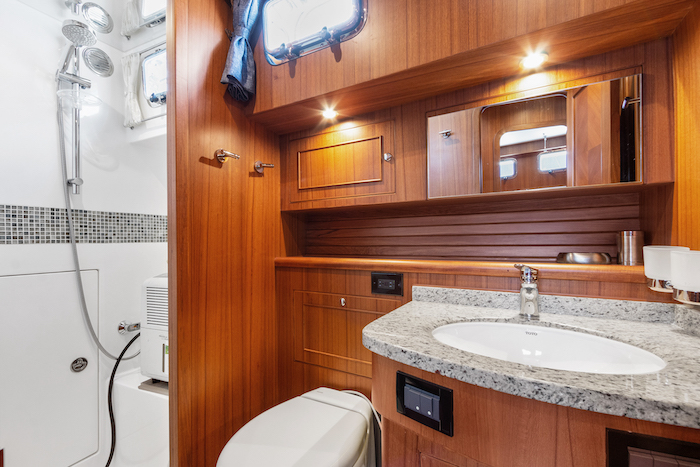
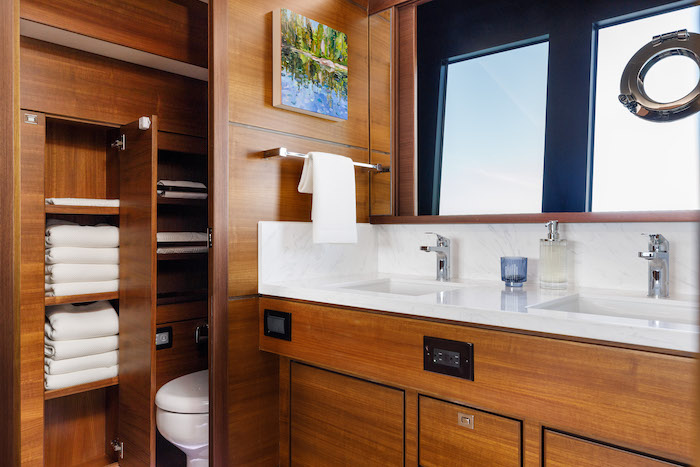
The bathroom aboard a vessel is another separate case. An onboard marine head remains part of the boat’s sanitation arrangements even when the boat sits inside a covered slip.
What Determines Bathroom Feasibility in a Boathouse?
Utilities and Wastewater
Identify the available water supply and the approved route for wastewater before selecting fixtures. A structure over water may present different connection and maintenance questions from a building on land. Movement, changing water levels and exposure can matter to a proposed installation, but the required design depends on the site and local standards.
Ask the appropriate utility or health authority what wastewater arrangements are acceptable. Do not assume a sewer connection is available, that a septic system can serve the structure, or that a marine holding tank provides an approved building-plumbing solution.
Puget Sound’s vessel-sewage No Discharge Zone is a useful regional distinction: it prohibits treated and untreated vessel sewage in the defined waters. It is a vessel-sewage rule, not permission or a design standard for adding a bathroom to a shore or floating building.
Structure and Permitted Use
A bathroom requires space for fixtures, access and any applicable building requirements. For a floating structure, added weight and its location are also questions for the designer. The exact boat size and boarding arrangement may affect how much practical space remains.
Permitted use is equally significant. Storage, commercial activity and living aboard are different questions; local classification and the actual proposed use determine which requirements apply. The presence of electrical power or a neighboring bathroom does not settle the issue.
Permitting Realities and Wastewater Arrangements
Before committing to a retrofit, ask the local planning or building office how the structure is classified and whether sanitary fixtures are allowed. Confirm any shoreline, lease or marina conditions with the authority responsible for them.
Then ask which utility approvals and wastewater standards apply, what design information is needed, and which qualified professionals should assess the installation. These inquiries establish the next steps without promising that a permit will be granted or that a particular pumping system is mandatory.
Evaluating Shared Shore Facilities Against Actual Need
Compare the proposed bathroom with facilities already available ashore or aboard the boat. Consider walking distance, accessibility, opening hours, frequency of use and how existing sanitation systems are serviced. Confirm these details at the actual marina rather than assuming all facilities offer the same amenities.
At North Pacific Yachts, we see this as a question about the structure and the owner’s routine, rather than a feature implied by the word boathouse. A bathroom may be useful, but the workable choice comes from the specific site’s permissions, utilities and practical need.
Sources
- city’s 2023 operator announcement
- Seattle’s floating-residence guidance
- Puget Sound’s vessel-sewage No Discharge Zone