

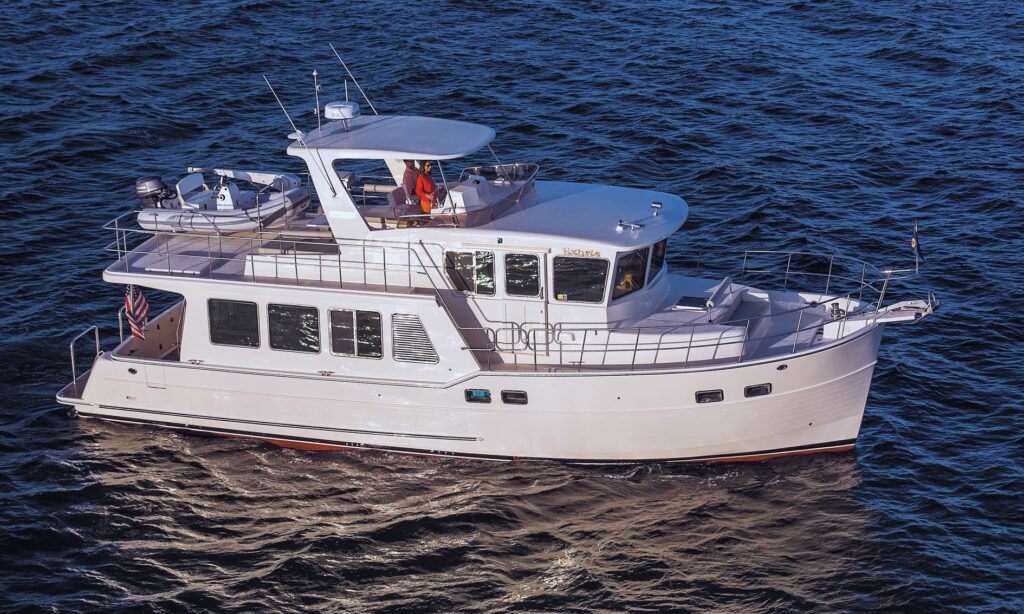
Cruising under slow bell is a deliberate lifestyle choice, not an operational compromise. When you stop treating passage-making as a race between fuel docks, your entire relationship with your boat changes. The pressure to push through deteriorating afternoon conditions drops away, and the boat shifts from being merely a transit vehicle to a comfortable home base.
Setting an unhurried pace requires active planning. Without intentional boundaries, outside deadlines, guest expectations, and overly ambitious itineraries will quickly pull you back into a rushed schedule.
Shifting From Mileage Targets to Dwell Time
An overloaded schedule can add to cruising fatigue. When passage plans require making port every single evening, a single weather delay creates a cascade of late departures, stressed crew members, and mechanical wear.
Where your route and circumstances allow, treat travel days as one part of the holiday rather than a daily obligation. Plan time for stops you want to enjoy, routine tasks and rest. The balance should suit your crew and the particular destination; there is no universal ratio of days underway to days at rest.
| Planning Factor | Mileage-Focused Itinerary | Dwell-Focused Itinerary |
|---|---|---|
| Travel pattern | Many consecutive travel days | Fewer moves, with time to enjoy stops |
| Weather response | A deadline may create pressure to leave | Assessed options and time to postpone a move |
| Off-Boat Shore Time | Late arrivals, hurried dinners ashore | Unrushed afternoons, daytime exploration |
| Onboard Maintenance | Rushed checks completed when exhausted | Calm morning inspections over coffee |
| Crew energy | More travel and arrival tasks to manage | Time reserved for rest, with fatigue still monitored |
When you balance passage runs with multi-day stops, structuring a realistic cruising day becomes much simpler. You can review the current forecasts and the applicable tide and current information, then decide whether postponing a move fits the whole plan.
Protecting Flexibility Around Guests and Commitments
The hardest part of maintaining a relaxed pace is managing commitments on land. Friends want to join for a weekend, flights are booked months in advance, and business obligations demand reliable connectivity. If you promise to meet guests at a specific remote dock at noon on a Friday, you have surrendered your itinerary to the calendar.
To protect your pace while keeping commitments intact:
-
Pick hub ports for guest arrivals. Consider a harbor town with transport arrangements you have confirmed. Avoid picking up or dropping off guests in exposed, weather-dependent anchorages.
-
Anchor the boat, move the crew. One option is to choose a suitable harbor or marina as a base for a visit. Treat the boat as a waterfront lodge and explore locally via dinghy or shore excursions rather than running long passages during their visit.
-
Build dedicated lay days ahead of firm deadlines. If you must reach a boatyard or haul-out facility by the end of the month, allow a buffer appropriate to the route and season. That buffer can reduce deadline pressure when conditions change.
How Pilothouse Living Spaces Support Daily Living
Living comfortably at rest requires a layout that does not force you to live on top of your helm or pack away your salon every morning. The separation of operating space and social space is the foundation of long-stay cruising.
Our North Pacific 45 Pilothouse offers a teak-finished interior, a salon, galley, guest stateroom and queen island master berth. When you visit, think through reading, cooking, sleeping and storing provisions in the particular layout. Ask how the arrangement supports your own routines rather than assuming every cabin will stay quiet or private under every use pattern.
Our 49 Pilothouse has room for two helm seats, with an L-shaped settee and table aft of them. Explore our 49 Pilothouse interior when considering the arrangement. Teak paneling, cabinetry and teak-and-holly floors give the interior a warm character. Two opening doors and three sliding windows provide ventilation options. At a suitable stop, the settee may offer another place to read or plan the next day; assess comfort and power needs using the boat’s actual systems and conditions.
Multiple places to sit can make a longer stay more pleasant, but the useful test is how your crew uses them. Consider whether rest, meals and everyday tasks can coexist without continually rearranging the boat.
Keep Attention and Rest in the Plan
An unhurried itinerary still needs attentive watchkeeping while underway. Agree on responsibilities and handovers, monitor fatigue and keep navigation and the lookout central to the travel day. Flexible time at stops can create room for rest; slower travel does not remove the work of running the boat.
Running a 48-Hour Trial Cruise
Before booking a two-month summer itinerary, run a short trial cruise specifically designed around rest rather than distance. The objective is not to test your top range, but to test your onboard habits.
For example, choose a nearby destination you have assessed for the boat and conditions, and plan a weekend with time at that stop. Keep the option to change plans if weather, the berth or anchorage, or the crew’s needs change.
During those 48 hours, monitor how your daily routine flows:
-
Did you feel an urge to move the boat simply out of boredom?
-
Did your galley setup support preparing three full meals a day without cluttering the salon?
-
Did both partners find quiet corners to read, work, or rest independently?
-
How easily did you manage battery banks, water usage, and refrigeration over two quiet days?
Practicing the discipline of staying put exposes the weak points in your packing, provisioning, and cabin organization. Use what you learn to adjust the next itinerary, supplies and layout priorities.
If you are evaluating layouts and want to explore how our pilothouse models support extended time aboard, talk with us about your plans.