

North Pacific Yachts logo in white on transparent background

Blog

Night Running From a Pilothouse: Managing Glare, Reflections, and Electronics

Night running from a pilothouse often sounds simple in theory. The helm is enclosed, the electronics are protected, and the operator has a more controlled environment than at an exposed station. In practice, though, that enclosed environment can create its own problems. Reflections in the glass, light spill from screens, and poorly managed electronics can reduce outside visibility at exactly the time when the crew needs calm visual awareness most.

That is why good pilothouse night running is as much about helm discipline as it is about equipment. The real goal is not to make the pilothouse brighter or more screen-driven. It is to make it calmer, dimmer, and more deliberate so the operator can see outside clearly while using electronics as support instead of distraction.

Why Night Running Feels Different From a Pilothouse

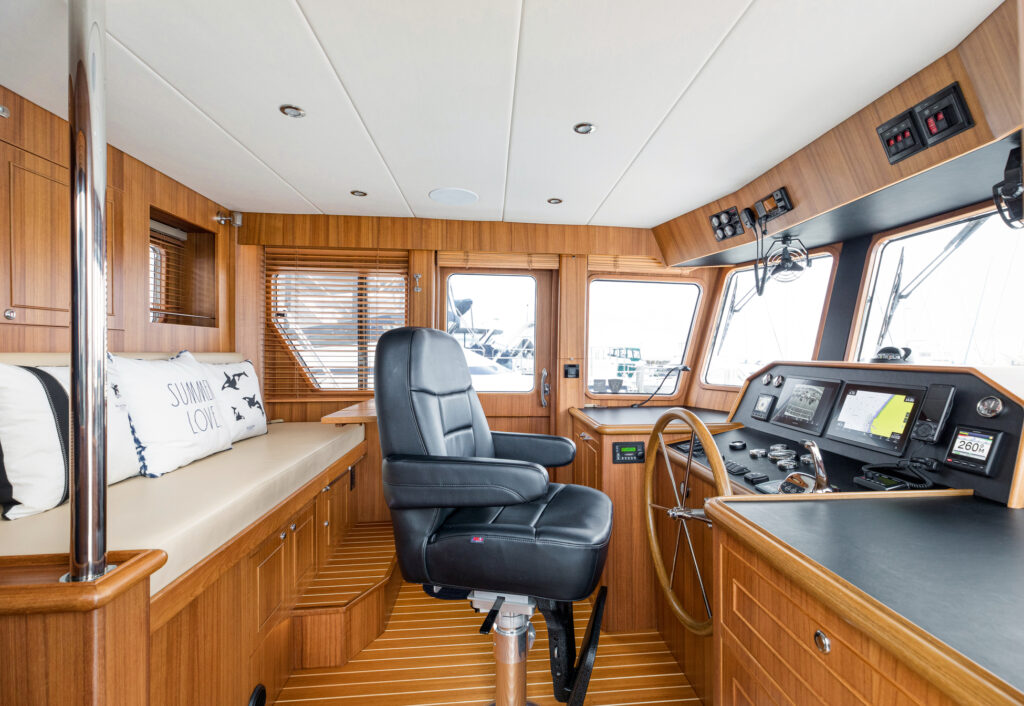
Night running from a pilothouse can feel more controlled and more sheltered than running from an exposed helm, but it also introduces its own set of visibility challenges. During the day, the pilothouse often feels like an advantage because it improves comfort, protection, and situational control. At night, those same enclosed surfaces, screens, windows, and light sources can create glare and reflections that make outside observation harder than many owners expect.

That is why night running in a pilothouse is not just a matter of turning on electronics and dimming the cabin lights. It requires deliberate control of the visual environment around the helm. Glare, interior reflections, poorly managed screens, and careless light use can all reduce the benefit of the pilothouse if the helm is not set up thoughtfully for low-light operation.

The good news is that these are usually manageable problems. A well-run pilothouse at night can feel calm, capable, and confidence-inspiring, especially when the crew treats nighttime visibility as an operating discipline rather than an afterthought. That fits naturally with the practical strengths owners already value in a pilothouse yacht: shelter, control, and a more serious helm environment.

Glare Is Often the First Problem to Solve

Interior light spill

Interior light is often the biggest and simplest source of night-running trouble. Even relatively small cabin lights, courtesy lights, or open companionway glow can reduce night vision and draw the eye away from the water ahead. In a pilothouse, where the helm is more enclosed, that spill can linger on surrounding surfaces and make the outside world feel darker than it really is. Keeping nonessential interior lighting low or off is usually one of the first improvements owners notice immediately.

Screen brightness and color balance

Electronics can cause the same problem if their brightness is left in daytime mode. Chartplotters, radars, tablets, and repeater screens all need to be adjusted intentionally for low-light use. Bright white displays and poorly balanced color palettes can overwhelm the helm and make it harder to maintain outside visual awareness. Good night-screen management is not about turning electronics down until they are unreadable. It is about balancing them so they support navigation without dominating the visual field.

Reflections from polished surfaces and windows

Glare also comes from the helm environment itself. Glossy trim, bright stainless details, light upholstery, and the inside face of the windshield can all reflect light back toward the operator. During the day these surfaces may feel refined and harmless. At night they can become distracting visual noise. Managing glare often means noticing not just what is illuminated, but what those light sources are bouncing off inside the pilothouse.

Reflections Can Steal More Visibility Than Owners Expect

Windshield angle and inside-glass reflections

At night, the inside of the windshield can become one of the most important surfaces in the pilothouse. Light from instruments, overhead fixtures, and even small illuminated controls can reflect into the glass and reduce the operator’s ability to see outside cleanly. The effect varies with windshield angle and helm geometry, but the result is the same: reflections compete with the real scene ahead.

Instrument placement and secondary light sources

Secondary light sources are often the ones owners forget about. A charging indicator, panel light, chart light, or reflected glow from an adjacent screen can become more distracting than the primary navigation displays themselves. This is where thoughtful helm design and equipment placement matter. A pilothouse with strong visibility during the day may still need careful night setup if the electronics and light sources are not positioned with low-light running in mind.

Why pilothouse layout discipline matters at night

Night visibility depends on more than equipment quality. It depends on cockpit or pilothouse discipline. Loose devices, unnecessary screens, lit spaces behind the helm, or open doors that spill light forward can all degrade the operator’s outside scan. Owners who already appreciate the practical advantages of a pilothouse layout will usually find that those benefits grow at night when the helm is kept clean, dim, and focused on the job at hand.

Electronics Help, but Only When They Are Managed Well

Radar and chartplotter brightness discipline

Electronics are a major advantage at night, but only if they are managed with restraint. Radar and chartplotter brightness should be adjusted deliberately rather than left where they happened to be during the day. A display that is technically readable but visually dominant can do more harm than good by stealing attention from the water ahead. Night running improves when screens are treated as tools that support awareness rather than as the main thing the operator is looking at.

Using redundant systems without overwhelming the helm

Redundancy is valuable, especially on a serious pilothouse cruiser, but more information is not always better if it crowds the helm and creates visual clutter. Good night setups prioritize the most useful displays and make sure secondary systems stay available without competing for constant attention. That matches the broader logic behind redundant navigation planning on pilothouse yachts: backup capability should strengthen decision-making, not overload it.

Why electronics should support outside watch, not replace it

Night electronics should always support the outside watch rather than replace it. Radar, AIS, charting, and other screens are essential, but they do not remove the need for disciplined visual scanning, judgment, and situational awareness. A good nighttime helm rhythm moves naturally between outside observation and electronic confirmation instead of falling into a screen-only habit.

How to Set Up the Pilothouse Before Darkness Falls

One of the best ways to improve night running is to prepare before it is fully dark. That means dimming screens early, checking which interior lights are truly necessary, reducing reflective clutter around the helm, and making sure the windshield is as clean as possible. It also means knowing which displays you want active and which ones you can leave secondary rather than deciding all of that once visibility is already reduced.

Preparing early helps the crew transition into night operations more smoothly. It gives everyone time to adjust their eyes, settle the helm environment, and avoid the last-minute chaos that often creates glare problems in the first place. On a pilothouse boat, thoughtful setup before darkness can make the difference between a calm nighttime helm and one that feels visually noisy from the start.

Night Running Habits That Improve Confidence and Safety

Good night running habits are usually simple, repeatable disciplines rather than dramatic techniques. Maintain a steady outside scan, keep the helm environment dim and uncluttered, confirm electronic information without living inside the screens, and stay ahead of course or traffic decisions rather than waiting until the visual picture becomes stressful. These habits make the pilothouse feel like the control center it is supposed to be.

It also helps to keep crew communication calm and deliberate. If someone comes into the pilothouse with a bright light, changes a display suddenly, or interrupts the watch rhythm unnecessarily, the effect can be immediate. Night confidence often comes from protecting the visual environment just as much as from navigation skill itself. That fits well with the broader practical strengths already associated with a well-run pilothouse helm.

Common Night-Helm Mistakes in a Pilothouse

One of the most common mistakes is leaving the pilothouse in something close to daytime mode and assuming the operator will just adapt. Bright screens, unnecessary cabin lights, and reflective clutter create a visibility problem long before conditions outside become difficult. Another common error is over-trusting electronics and letting the outside scan weaken because the helm feels technically well equipped.

Owners also sometimes underestimate how much small details matter at night. A little extra interior light, a dirty windshield, a tablet placed in the wrong spot, or a reflective instrument hood may not seem significant until it becomes the thing drawing the eye away from the water ahead. Night running from a pilothouse usually gets better not through one dramatic change, but through the disciplined removal of many small distractions.

A Simple Night-Running Checklist for Pilothouse Owners

  • Dim all helm and cabin lighting before darkness is complete.
  • Reduce screen brightness and use night-friendly display settings.
  • Check for reflections from windows, trim, and nearby light sources.
  • Clean the windshield and remove unnecessary clutter near the helm.
  • Prioritize the most useful displays instead of filling the helm with active screens.
  • Keep outside watch primary and electronics secondary.
  • Manage crew light use and communication inside the pilothouse.
  • Set up the helm before dark rather than reacting after visibility drops.
  • Watch for fatigue and avoid letting the pilothouse become visually noisy.
  • Aim for a calm, dim, and disciplined helm environment.

The Best Night Pilothouse Is Calm, Dim, and Deliberate

The best pilothouse for night running is not the one with the most screens or the brightest equipment. It is the one that supports calm, disciplined visibility and keeps the operator focused on the outside world while using electronics intelligently. That usually means less visual noise, better light control, and more thoughtful helm habits rather than more intensity.

When the pilothouse is managed well at night, its real strengths become obvious. The helm feels protected, organized, and confidence-inspiring instead of reflective and distracting. For owners who value the practical advantages of pilothouse cruising, that kind of nighttime control is one of the clearest expressions of what the design does well.

Contact Us

If you are comparing pilothouse yachts, refining helm layout priorities, or trying to understand how real-world pilothouse design affects low-light navigation, North Pacific Yachts can help you think through the tradeoffs. We focus on pilothouse and trawler yachts built for practical comfort, safety, and real cruising use. Reach out to us at info@northpacificyachts.com or call 1-877-564-9989 to talk through your goals.