The northern Gulf of Mexico is not a single, continuous cruising run. Spanning five states and more than a thousand miles of shoreline, the coast shifts rapidly between protected sounds, commercial waterways, open ocean shelves, and shallow bayous. Trying to treat the entire region as an extended, port-by-port coastal hop often leads to fatigue, long offshore slogs, and awkward shore connections.
A better approach is to treat each Gulf region as its own distinct cruising ground. By focusing on one area at a time, you can match your boat’s draft, your preferred cruising pace, and your shoreside interests to the local environment. Whether you want deep-water dockage steps from urban art districts or a quiet base near historic coastal forts, the Gulf delivers distinctly different rewards depending on where you drop your lines.
Florida: Urban Basins and Sheltered Bays
Tampa Bay offers the clearest contrast between sheltered water travel and immediate shore access on the Florida Gulf. At the heart of this basin lies St. Petersburg, where the municipal waterfront provides an enviable setup for visiting cruisers.
The St. Petersburg Municipal Marina maintains transient slip space along with public courtesy docks near the central pier. These day-use docks allow you to tie up briefly to step directly into a walkable downtown core featuring the Dalí Museum, open-air dining, and local provisioning stops. Because slip availability can tighten quickly during peak seasonal events, securing an overnight transient reservation well in advance is the prudent path.
The central Florida coast stands apart from neighboring waters. While the white sand anchorages of the Panhandle and the shallow flats of the southern barrier islands each require their own distinct passage planning, our destination guides examine those dedicated regions separately. For cruisers who prioritize cultural stops, protected bay runs, and lively waterfronts, the Tampa Bay basin offers a useful regional focus.
Alabama and Mississippi: Resort Amenities and Barrier-Island History
Crossing into the central Gulf brings you into a blend of full-service marina hubs and isolated natural sanctuaries.
In Orange Beach, Alabama, The Wharf operates as a prime transient destination along the protected waters of the Intracoastal Waterway. Transient slips place visitors alongside shops, restaurants, and entertainment venues. Confirm the particular berth, approach, and services for your yacht before choosing it as a base.
Heading west into Mississippi waters shifts the experience toward coastal history and natural preservation. Ship Island, part of the Gulf Islands National Seashore, is home to Fort Massachusetts, a brick fortification completed during the Civil War era. The island is accessible only by water, but private vessels face strict operational limits: private yachts cannot tie up to the National Park Service ferry pier.
A private-boat visit requires a separately confirmed landing plan that follows park restrictions and suits conditions. A practical, low-stress alternative is to secure a transient slip in Gulfport or Biloxi and take the seasonal passenger ferry across to the island. Check the current ferry and park schedule, including fort access, then plan the mainland berth and shore transfer separately.
Louisiana: Lakefront Berthing for New Orleans
Cruising to New Orleans requires a clear distinction between the Mississippi River and the city’s recreational waterways. A city visit does not mean that a berth is available along the Mississippi riverfront.
The practical, time-tested gateway for motor yachts visiting New Orleans is Lake Pontchartrain.
The New Orleans Municipal Yacht Harbor, situated at West End on the lake’s southern shore, is a public facility operating under clear governance that accommodates transient tenants. Ask the harbor office about current space, yacht dimensions, and the services you need.
From West End, the heart of the city is an overland excursion. Arrange ground transport to the French Quarter, the Garden District, or the dining rooms that interest you. Keeping the lakefront berth and city excursion as separate plans helps you allow time for both.
Texas: Galveston Bay and Maritime History
The upper Texas coast revolves around the Galveston Bay complex, an extensive network of barrier islands, shipping channels, and sheltered bays. For maritime enthusiasts, Galveston is the historic focal point.
Pier 21 sits on the downtown Galveston harbor channel, serving as the cultural center of the island’s maritime past. Here you will find the 1877 tall ship Elissa, the Texas Seaport Museum, and active waterfront seafood restaurants where harbor traffic glides right past your table. However, Pier 21 is a commercial and historic waterfront district, not an open basin filled with walk-up recreational slips.
When visiting Galveston on your own bottom, look to Offatts Bayou for overnight berthing. Pelican Rest Marina offers transient dockage on Offatts Bayou; confirm the approach and berth with the marina for your yacht. Once tied up along Offatts Bayou, arrange a quick cab or rideshare across the island to Pier 21 and the historic Strand district. Separating the berth from the shore excursion lets you plan transport and time for the island’s history, architecture, and dining.
Practical Steps for Gulf Coast Passage Planning
Turning these regional options into a smooth cruise comes down to managing the physical realities of the Gulf:
- Chart Updates: The Gulf coastline alters constantly due to tropical weather, shifting sand bars, and regular industrial dredging. Relying on legacy charts or outdated electronics creates unnecessary hazards. Build updated chart sets using NOAA Custom Charts, derived directly from the most recent Electronic Navigational Chart data, and verify them against the latest Local Notices to Mariners before entering unfamiliar inlets.
- Weather Patterns: The Atlantic and Gulf hurricane season runs from June 1 through November 30, and tropical systems can occasionally form outside this official window. Winter cruising brings its own variables, as strong continental cold fronts can generate fierce northerly winds that rapidly blow water out of shallow bays. There is no universally calm season on the Gulf; smart cruising means matching your trip dates to stable local weather windows.
- Tender Logistics: In areas like the Mississippi barrier islands or shallow back bays along the Intracoastal, your tender is your primary exploration tool. Ensure your tender deployment setup is reliable and that you understand local landing regulations before setting out from your main berth.
- Draft and Bridge Heights: Many Gulf waterways cross beneath fixed highway bridges and through maintained channels with seasonal depth variations. Knowing your vessel’s true loaded draft and total air draft prevents unexpected turnaround points along the inland reaches.
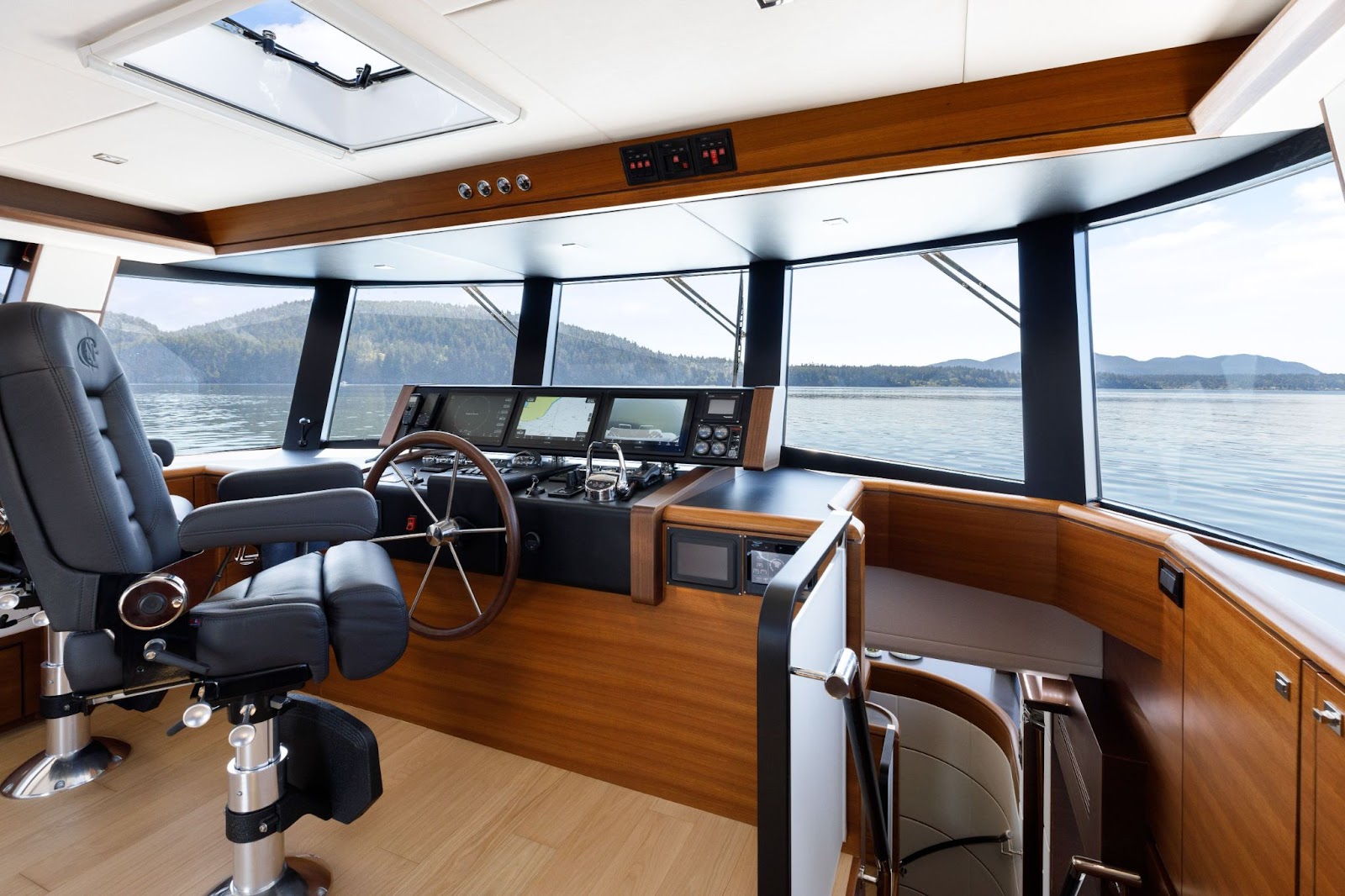
Every cruising ground on the Gulf requires an honest assessment of how your boat is equipped and how your crew likes to travel. When you are ready to evaluate tankage, deck equipment, bridge clearances, or tender handling for your upcoming regional plans, talk with us to explore the ideal setup for your cruising goals.
Sources
- St Petersburg marina courtesy docks
- Dalí Museum visitor information
- The Wharf marina
- Ship Island — NPS
- Gulf Islands seashore compendium
- New Orleans Municipal Yacht Harbor governance
- New Orleans harbor rules
- Galveston Pier21
- Pelican Rest Marina
- NOAA Custom Charts
- NHC tropical cyclone climatology