

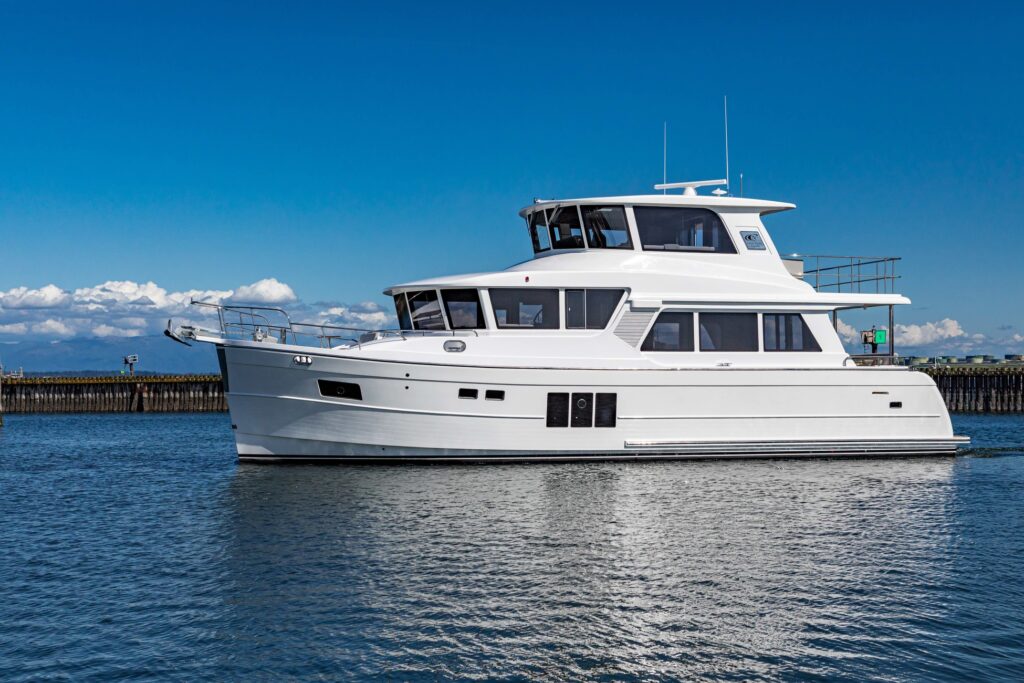
A U.S. owner preparing a private recreational yacht for Mexico needs two document workstreams: the vessel’s temporary-import paperwork and the information and immigration requirements for the people aboard. Keeping them separate helps you prepare a useful inquiry with the authorities before departure.
This guide addresses a private yacht over 4.5 metres in the noncommercial recreational context. It does not settle paid-crew employment, charter operation, or other immigration categories. The practical outcome is an organized vessel file, a separate people file, and confirmation of the process at your intended arrival port.
Define the Vessel and People Workstreams
Mexico’s Agencia Nacional de Aduanas de México, or ANAM, publishes vessel-specific temporary-import guidance for recreational and sport boats, yachts, and sailboats over 4.5 metres. The Instituto Nacional de Migración, or INM, addresses the people entering by sea.
The vessel permit’s duration and the permission for an individual to stay answer different questions. ANAM describes a ten-year vessel permit with multiple vessel entries and exits. That is not ten-year permission for an owner, guest, or crew member to remain in Mexico.
| Preparation file | Main questions |
|---|---|
| Vessel | Who is the importer, which vessel is covered, and what identity and ownership evidence supports the application? |
| People aboard | Who is aboard, what personal documents and permissions apply, and how must arrival and departure information be reported? |
| Intended port | Which current submission channel, arrival process, and charges apply to this trip? |
Use vessel-specific official guidance rather than assuming that vehicle-permit information resolves yacht questions. Boats outside the stated length scope and nonprivate uses require their own applicable confirmation.
Gather Vessel Identity and Ownership Evidence
ANAM vessel permit guidance supports preparing importer identification and evidence of vessel ownership or possession. Its vessel identifiers include the name, brand, model year, type, hull identification number, and registration or certificate information.
Gather the relevant purchase, title, or current registration records and compare the details across them. Make discrepancies visible before submitting an application. If the person handling the permit is acting for an owner, entity, or other party, ask what authorization is required for that exact arrangement rather than assuming a particular document will be sufficient.
A useful vessel preparation file includes:
- Importer identity documents and contact details.
- The ownership or possession evidence appropriate to the actual arrangement.
- Vessel identifiers copied carefully from the records.
- Any existing permit and the questions it raises about the vessel or importer particulars.
- The current official channel used to confirm application requirements.
Review the issued permit’s vessel and importer details carefully. If an existing permit, changed ownership, accessories, or an eventual definitive return creates questions, take them to the applicable authority before relying on an assumption. This preparation guide does not establish cancellation or transfer procedures.
Prepare Passenger and Crew Information Separately
INM nautical-tourism guidance, dated December 31, 2025, addresses foreigners entering by sea for recreational activities in a visitor context without permission for remunerated activities. Its described visitor period is no more than 180 days, separate from the vessel permit; individual applicability and the permitted stay require official confirmation.
The INM passenger and crew guide supplies a reporting format with person and vessel information, arrival and departure details, and separate P and C designations for passengers and crew. A crew designation in that format does not itself grant employment permission.
Prepare the information requested by the applicable current format from the actual records of everyone aboard. Confirm how to complete fields that are unclear for a private yacht instead of inventing identifiers or treating a field as automatically exempt. Keep the people list current if the intended complement changes.
The INM page describes an operational reporting recipient in Ensenada, Baja California. That recipient is geographically specific. Do not use it as a national submission destination for every Mexican port. Confirm the correct office, channel, timing, and response needed for your actual arrival.
Confirm the Intended Port Before Departure
Bring both files to the final arrival inquiry. Ask the appropriate authorities which steps apply to your vessel and people, which documents must be presented, what information must be sent in advance, and how acceptance or clearance is confirmed.
Save a dated record of:
- The intended arrival port and official office or channel consulted.
- Vessel permit particulars and any unresolved application or existing-permit issue.
- Personal immigration requirements and passenger/crew reporting instructions.
- Current applicable charges and payment arrangements confirmed for the trip.
- Any changes that must be reported if the arrival date, port, or people aboard change.
Confirm current charges and the intended port procedure directly before travel rather than budgeting from an old quotation or borrowing another port’s sequence.
For a departure from Southern California, California Coastal Cruising: Choosing the Right Route for Your Motor Yacht can help with the coastal planning context. If your broader itinerary later includes the United States and Canada, U.S.–Canada Yacht Border Reporting: Preparing Northbound and Southbound Workflows covers a separate jurisdiction; its reporting process should not be applied to Mexico.
Once the administrative questions are organized, connect them with the practical boat-use questions: where you intend to cruise, how you will replenish supplies, and what support you expect ashore. Plan Your North Pacific Yacht gives us a way to discuss those intended uses and the particular yacht’s configuration while the relevant authorities confirm the entry requirements.