Choosing a Focus Region Before Listing Stops
Maine presents an intricate coastline shaped by rocky headlands, quiet thoroughfares, and hundreds of granite islands. Attempting to run from the southern harbors all the way Downeast during a single brief cruise turns what should be a restorative journey into an exhausting delivery schedule. The most rewarding trips come from picking one manageable geographic area and exploring it thoroughly.
Cruisers typically divide the coast into three core areas: Casco Bay, the Midcoast and Penobscot Bay, and Mount Desert Island with its surrounding passages. Each region has a distinct character and maritime pace. Selecting a single focus area leaves time to watch the tide rise against pink granite ledges, secure a mooring before the afternoon breeze stiffens, and take a skiff to an island landing for local provisions. Prioritizing depth of experience over distance covered makes every harbor visit feel intentional rather than rushed.
Casco Bay and Portland: Urban Waterfronts and Island Passages
Casco Bay pairs an energetic city waterfront with a sheltered archipelago of quiet islands right at its entrance. Portland remains an active commercial port where working lobster boats, coastal tugs, ferries, and recreational vessels share the main channels. Transient moorings and slip space operate under local harbor regulations and require advance arrangements, particularly during peak summer months when demand peaks.
Stepping ashore in Portland places you directly into the historic Old Port, where stone-paved streets connect restaurants, provisioning markets, maritime supply shops, and galleries. Once away from the commercial piers, a short run leads directly into the Calendar Islands. Communities on Chebeague, Peaks Island, and Great Diamond offer wooded shorelines, small inns, and quiet island roads with broad views across open water.
Environmental protection is clear and strictly defined here. Casco Bay is one of Maine’s five designated No-Discharge Areas (NDAs), meaning the discharge of both treated and untreated sewage is prohibited within its boundaries. Boaters must consult official boundary charts and align holding tank management with available municipal and marina pumpout facilities before dropping hook or picking up a mooring.
Midcoast and Penobscot Bay: Working Harbors and Historic Towns
Running east into the Midcoast and Penobscot Bay brings you into the heart of traditional Maine boatbuilding and commercial fishing. Mainland ports like Boothbay Harbor, Rockland, Camden, and Castine combine working shipyards with walkable downtown centers that feature maritime museums, coastal paths, and independent supply shops.
In Penobscot Bay, Vinalhaven and North Haven sustain working fishing communities. Monhegan, farther west off the Midcoast, is a separate island option. Visiting these outposts calls for situational awareness and courtesy. Commercial lobster boats occupy the inner floats and work channels, making transient space limited. When planning to go ashore by tender, confirm ahead of time whether floats are designated for the public, local slipholders, or working fishermen.
Portions of this region are also subject to strict environmental boundaries. Both the Boothbay Region and West Penobscot Bay are designated No-Discharge Areas. You will want to verify exact boundary lines on navigation charts, as waste disposal restrictions are closely managed. Confirming pumpout availability ahead of your passage ensures a seamless stay among these traditional harbors.
Mount Desert Island and Acadia: Planning Time for Shore Excursions
Mount Desert Island features dramatic coastal terrain where steep granite peaks meet the Atlantic. Harbors such as Southwest Harbor, Northeast Harbor, and Bar Harbor serve as stepping-off points for Acadia National Park. Because this landscape is best enjoyed on foot, your itinerary should reserve entire days for exploring ashore.
The seasonal Island Explorer shuttle can help connect a harbor stay with Acadia excursions. Check current routes, park access, and the arrangements for your berth or mooring before fixing your days ashore.
When cruising in southern Mount Desert waters, be aware that an established No-Discharge Area encompasses specific bays and sounds. Check official boundary charts rather than treating every surrounding water as a blanket zone, ensuring you note where restrictions begin and where pumpout facilities operate.
Further southwest sits Isle au Haut, an isolated island separate from Mount Desert. Acadia National Park manages only portions of Isle au Haut, while the remainder is private property and municipal land. Public dock access on Isle au Haut cannot be guaranteed, so landing permissions and tender access must be checked with local authorities before making plans to stop.
Allowing Time for Fog, Tides, and Harbor Arrangements
A relaxed cruise along the Maine coast requires building buffer days directly into your schedule. The Gulf of Maine experiences rapid weather changes, most notably summer sea fog. As documented in NOAA Coast Pilot 1, summer sea fog is frequent, and clear conditions inside a protected harbor do not indicate visibility out on the approaches. A brilliant morning at a town dock can turn to dense whiteout just beyond the breakwater.
Flexibility with daily departures keeps your cruising low-stress. Giving yourself permission to wait out a fog bank avoids the strain of running through narrow cuts or threading among dense lobster pot fields when visibility drops.
Tidal considerations and harbor routines also shape your schedule. Substantial tidal shifts affect current velocities in thoroughfares, boarding heights at town piers, and dinghy float access. Furthermore, working harbors operate on early shifts: commercial lobster fleets head out before daybreak, and transient arrangements are closely overseen by harbormasters. Reserving guest moorings, double-checking tender rules, and mapping pumpouts—including the Kennebunk-Wells NDA if your journey includes the southern coast—ensures smooth operations throughout your trip.
Matching Onboard Routines to a Maine Itinerary
Motor yacht cruising along this coast rewards self-reliance and an unhurried daily cadence. Your daily rhythm can leave time for trail walks and provisioning in town, with departures shaped by the forecast and your confirmed harbor arrangements.
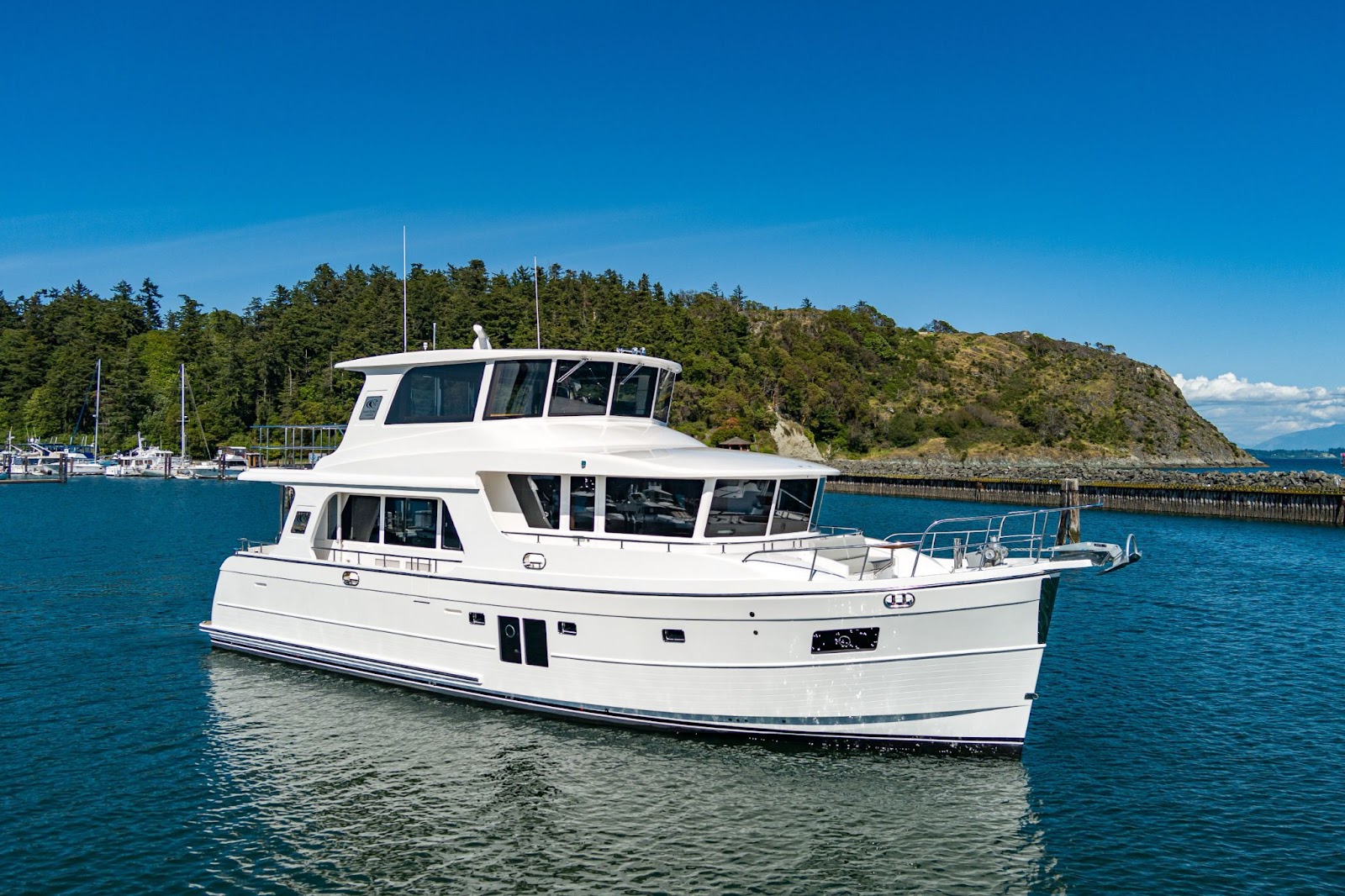
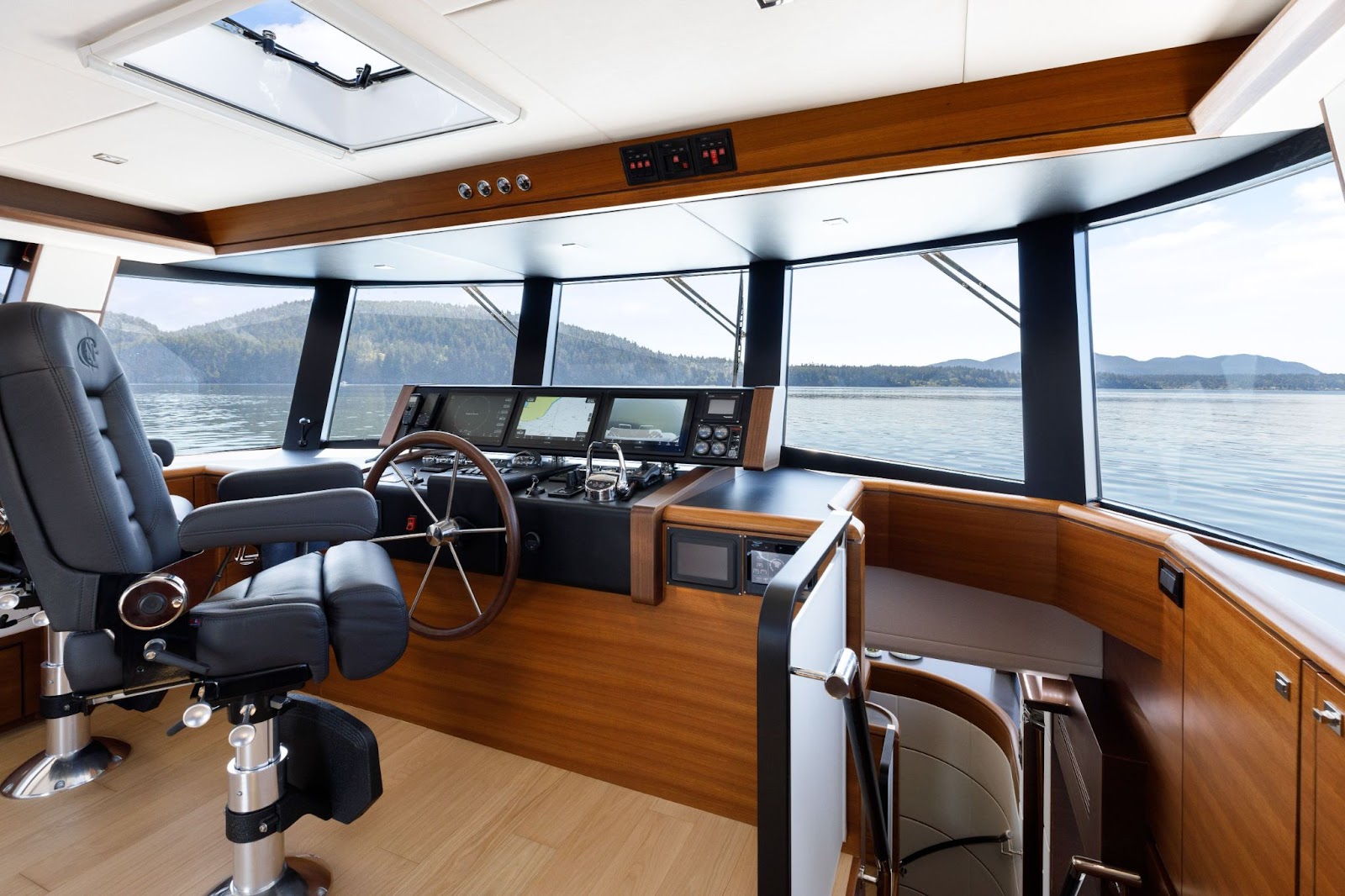
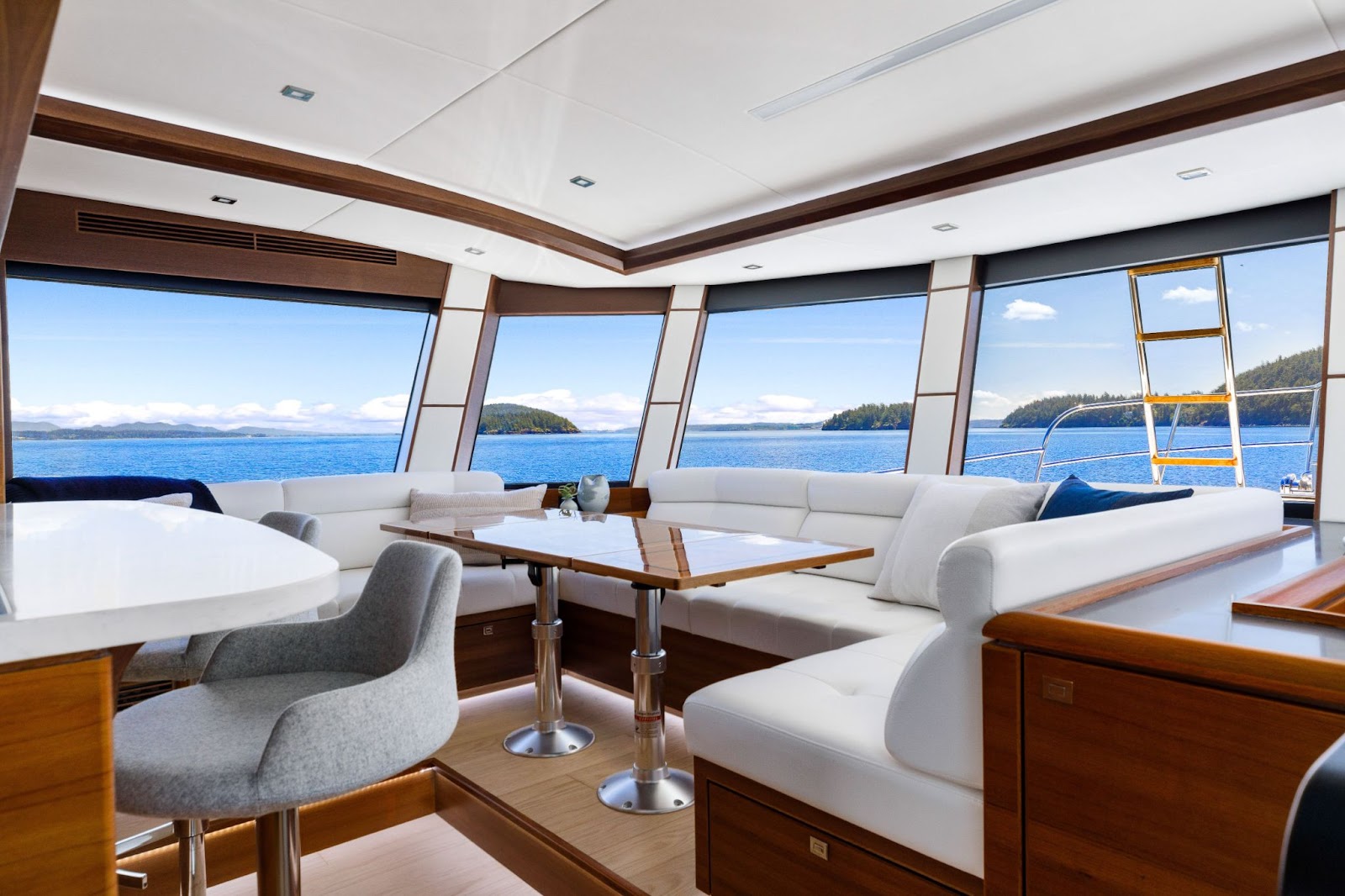
At North Pacific Yachts, we recognize that spending extended time along the coast requires a vessel that feels like a quiet, comfortable sanctuary, whether swinging in a cove or tied to a working wharf. When comparing our yachts, consider how the particular layout supports your routines aboard and your plans ashore.
Before you set out, take time to evaluate how your tankage, tender setup, and deck spaces match your intended route and shore excursions. If you would like to discuss how different layouts support extended cruising, contact us to go over your plans.
Sources
- Portland working harbor/transient arrangements
- NDA number/names/boundaries and sewage prohibition
- Seasonal shuttle supports Acadia shore excursion
- Park occupies part island, separate from MDI
- Summer sea fog and visibility inside vs approaches