
Remote Boat Repair Preparation: Building a Marine Technical Handoff Package
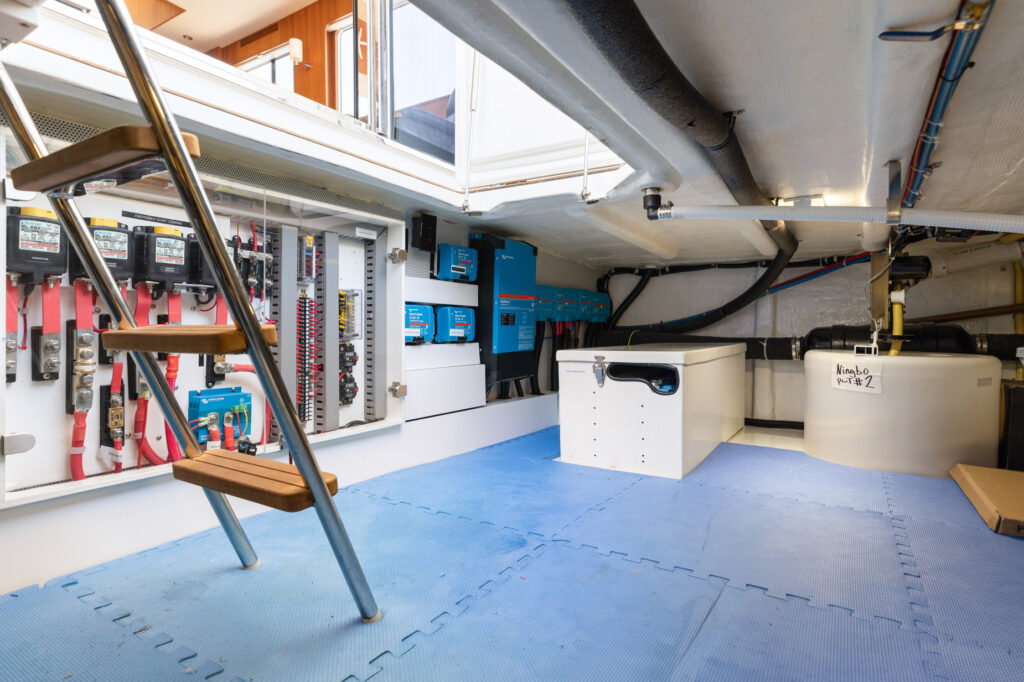
Core Information Requirements for an External Service Inquiry An external service inquiry succeeds or stalls based on the clarity of baseline equipment data. Remote technical specialists, whether working for a machinery manufacturer or an independent boatyard, cannot inspect the vessel firsthand; they rely entirely on the exact identifiers provided by the vessel operator. The objective […]
Boating in Fog: Gathering Official PNW Marine Forecasts, Observations, and Notices
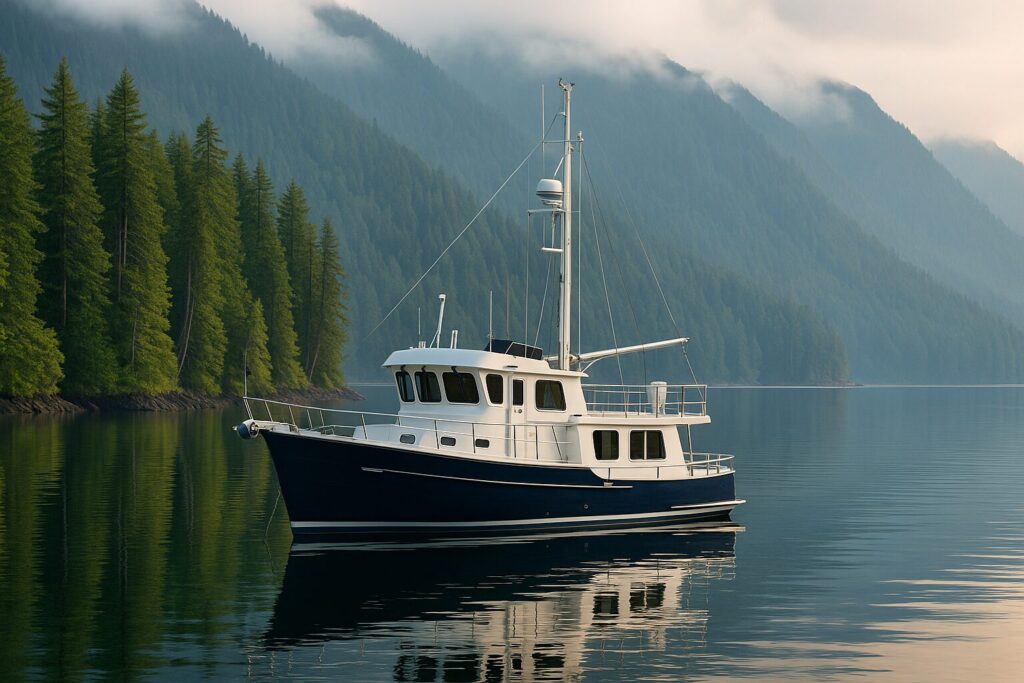
Organize the packet first, interpret it second A clean information packet is not the same thing as an operating decision. One is recordkeeping. The other belongs with current official sources, onboard judgment, navigation rules, and, when needed, professional instruction. For a Pacific Northwest owner-operator, fog prep often gets tangled because people mix product types, compare […]
PNW Boat Winterization: A Decision Framework for Lay-Up or Continued Use
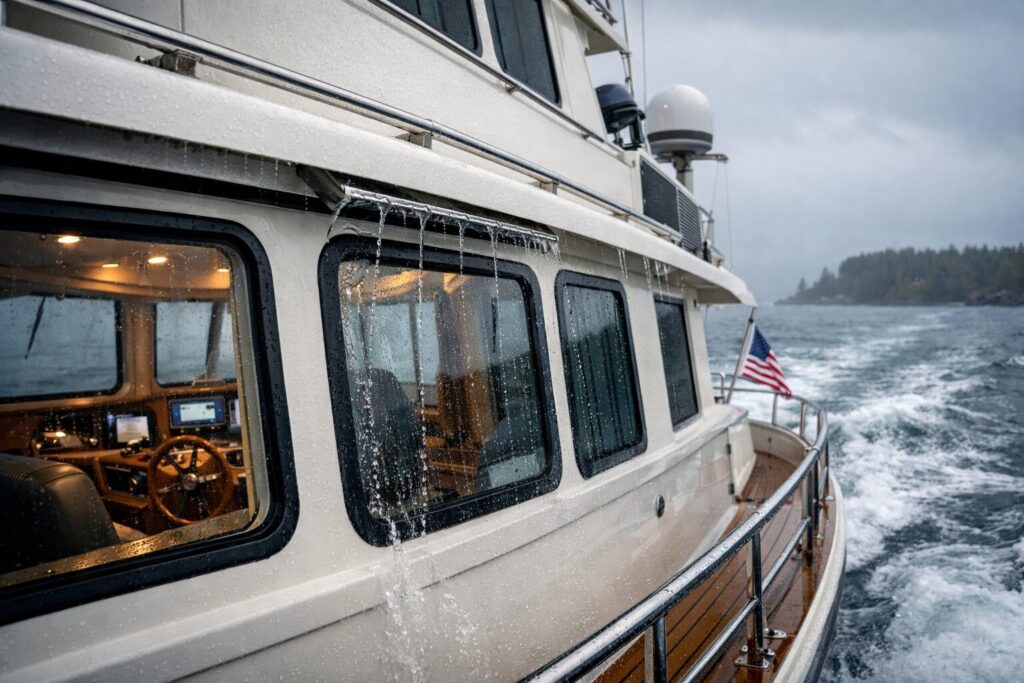
Evaluating Seasonal Operating States for Pacific Northwest Waters A seasonal operating posture establishes how an owner approaches risk, oversight, and administrative tracking throughout Washington waters. Vessel stewardship requires selecting an active-use, limited-use, or full lay-up status before seasonal changes take effect. Rather than defaulting to informal habits, defining this operational stance creates a structured baseline […]
Marine Air Conditioning Maintenance: Preparing Equipment Records and Symptom History for Service
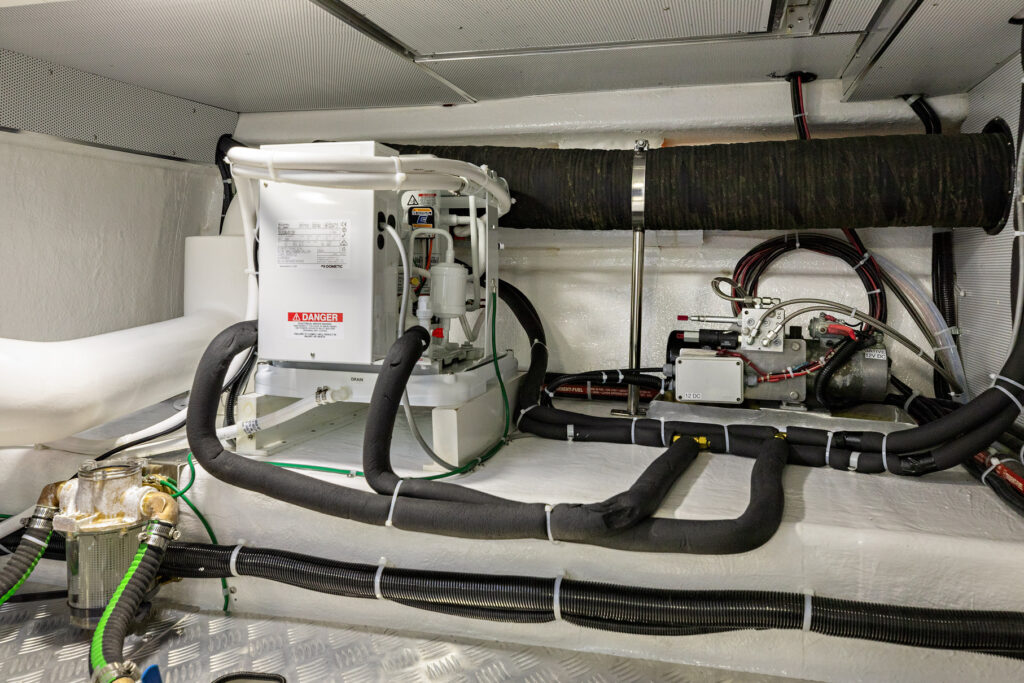
Marine HVAC Equipment Identification and Technical Documentation Technical intake begins with positive equipment identification. Gathering factory markings and baseline documents prevents mismatched replacement components and unproductive diagnostic time. Verifying Model Numbers and Serial Data from Installed Equipment Direct observation of the manufacturer data plate provides the only verifiable baseline for service intake. Where physical access […]
Marine Diesel Fuel Filter and Water Separator Records: Tracking Equipment-Specific Service Evidence Before Cruising
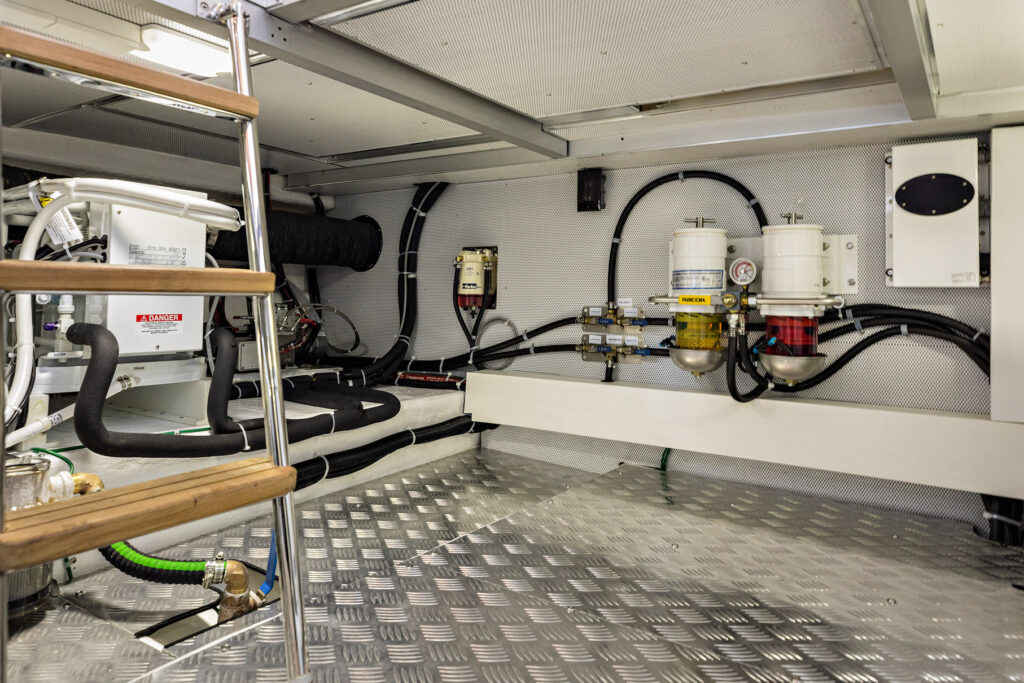
Identifying Installed Marine Diesel Fuel Filtration and Separation Hardware An accurate equipment register eliminates guesswork when communicating with shipyards and service technicians. Logging the exact configuration of primary separation units and secondary filtration components establishes an objective structural record of the vessel’s fuel delivery layout. Verifying Equipment Tags and Manufacturer Specification Plates Manufacturer data plates, […]
Marine Diesel Oil Analysis: Tracking Serial Laboratory Reports and Managing Technical Escalation
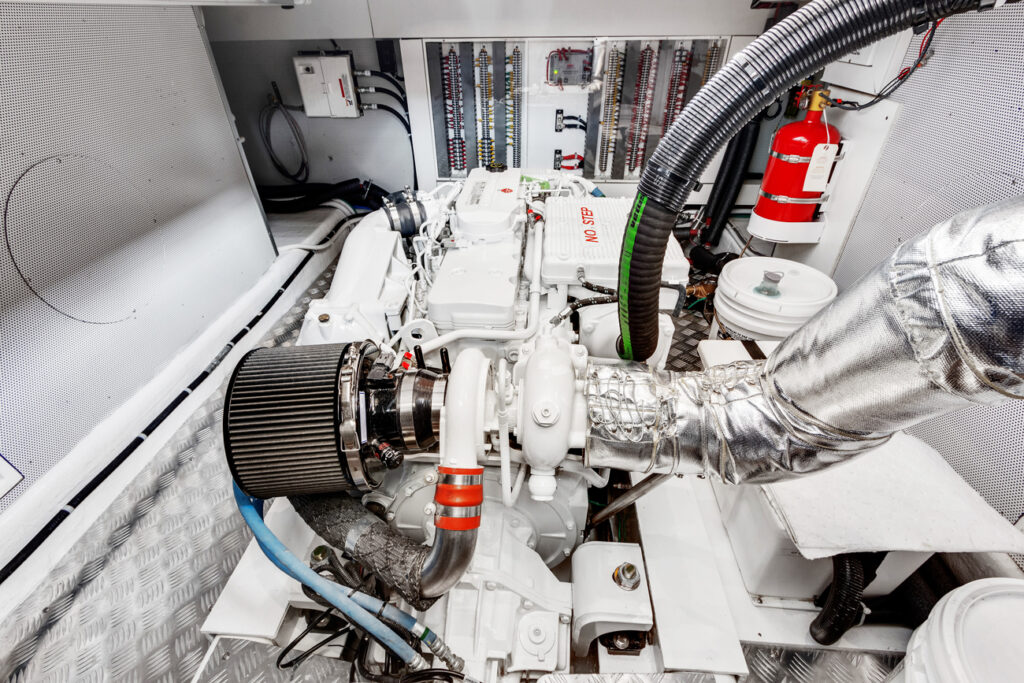
Serial oil analysis provides value only when each report is pinned to an unbroken, verified profile of the machinery it describes. A single misplaced serial number or transposed identifier severs the historical record, rendering longitudinal data unserviceable. Maintaining documentation requires holding the machinery’s exact identity alongside the temporal and operational markers generated at each submission. […]
Stabilizer Service: Reconciling Yacht Stabilizer Maintenance Records with OEM Requirements
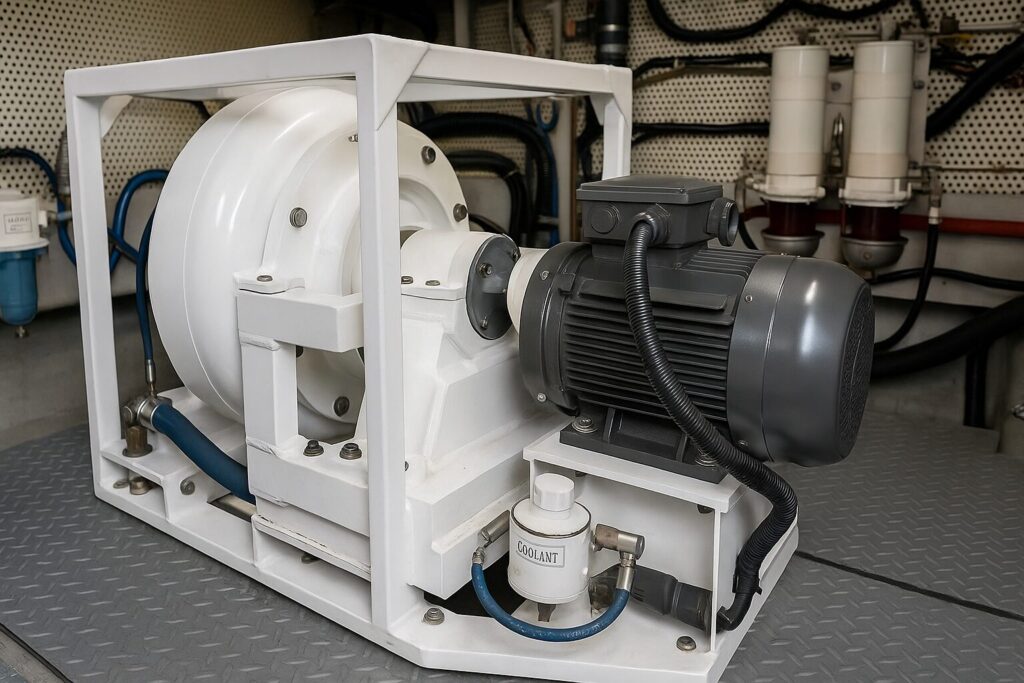
Building an Exact System-Identity Record from Verified Evidence Baseline equipment verification starts with primary documentation rather than assumptions drawn from vessel age or general model descriptions. Installed stabilizer systems possess specific build designations, serial numbers, and engineering revisions that dictate their exact documentation path. Prospective buyers often spend time reviewing fin stabilizers versus gyro stabilizers […]
Haul-Out Running-Gear Inspection Records: Capturing Propeller, Shaft, Bearing, and Seal Findings
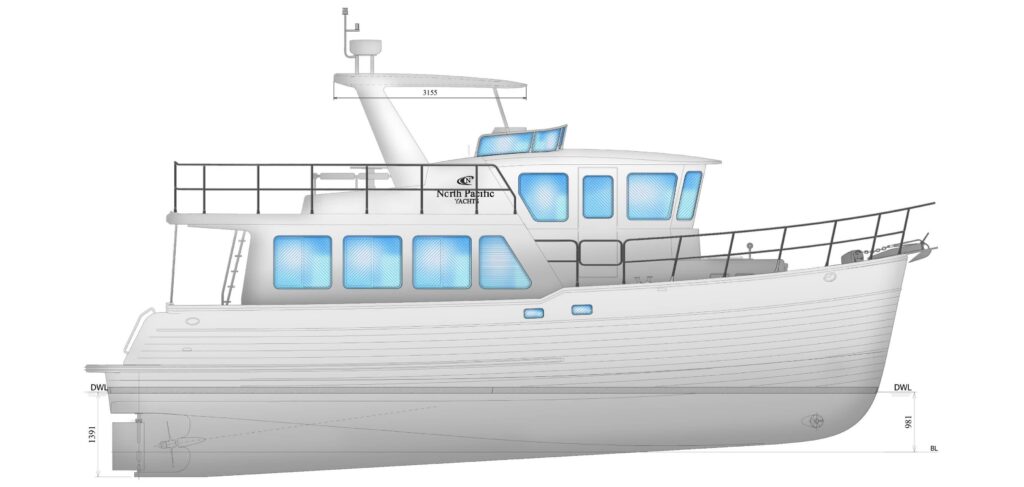
When planning a cruising yacht haul-out, establishing how documentation is delivered matters just as much as securing yard time. A collection of verbal remarks or detached photographs leaves a vessel history exposed to conjecture. A usable record organizes physical running assemblies into verifiable, time-stamped entries that link every recorded note to a specific professional origin […]
Structuring an Ongoing Boat Maintenance Log After Handover
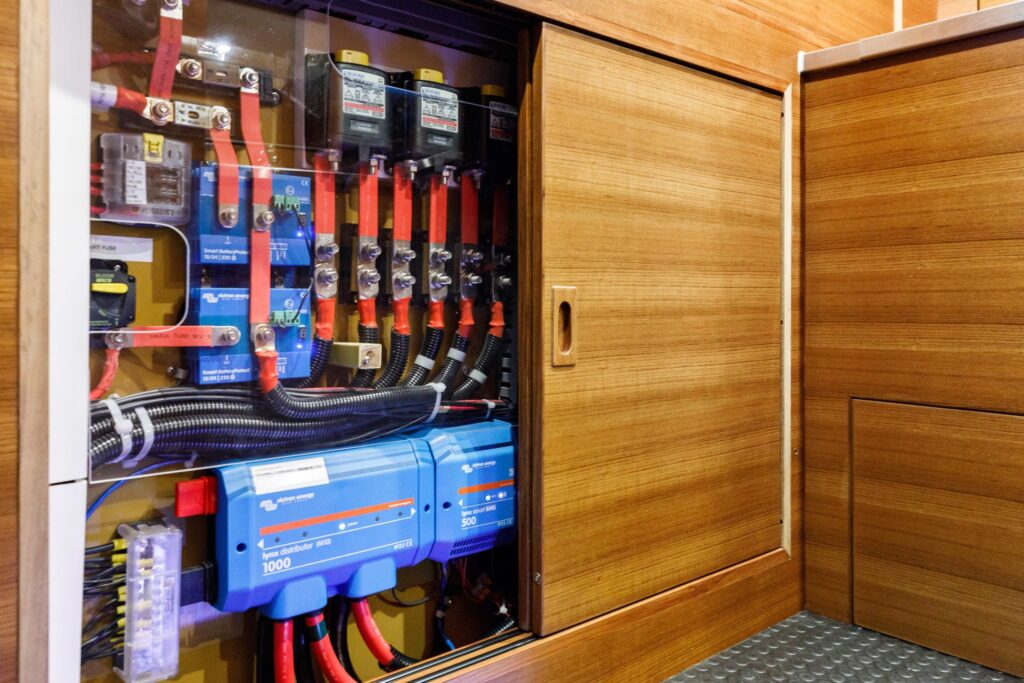
From Handover Binders to an Active Vessel History Handover marks the moment an owner inherits a substantial archive of static documentation. Delivery packets typically contain factory commissioning sheets, OEM component manuals, loose warranty registrations, line drawings, and initial fluid inspection reports. Kept in a cabinet or pilothouse drawer, this paperwork preserves the state of the […]
North Pacific 49 vs. 49 Euro Pilothouse: Comparing Documented Layouts and Builder Deck Plans

Choosing between our North Pacific 49 Pilothouse and our North Pacific 49 Euro Pilothouse comes down to how you plan to spend your time aboard. Both yachts have the same primary dimensions, but they offer different living arrangements. Our 49 Pilothouse includes a salon, galley, guest stateroom, island-queen master, head arrangements, and separate shower. Our […]