

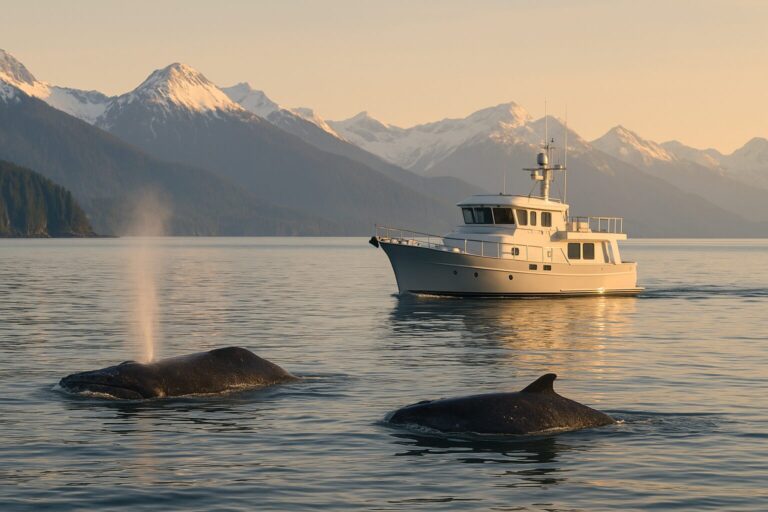
Owning or building a trawler yacht is no longer only about private cruising. Around the world, more owners are quietly discovering that the charter market can help offset running costs, keep crews active and introduce more people to the trawler lifestyle. By 2026, charter demand for comfortable, long range yachts is expected to be stronger and more diverse than it is today. Today we will look at how the market is likely to change over the next few seasons, what guests are starting to ask for, and how owners of trawler and pilothouse yachts, especially in regions like the North Pacific, can position themselves to benefit.
Growing demand for slower, experience focused voyages
For years the charter industry has been dominated by sleek, fast motor yachts in traditional warm water destinations. That segment is still strong, but there is a clear shift toward slower, more relaxed travel. Charter guests increasingly talk about wanting time to disconnect, to spend longer in each anchorage and to feel that the journey itself is part of the experience, not just a way to reach the next marina.
Trawler yachts are perfectly suited to this change in mindset. Their efficient hulls, generous fuel capacity and comfortable layouts make them ideal for itineraries where the pace is unhurried and the focus is on scenery, wildlife and time together. As more travelers look for trips that feel authentic and restorative rather than flashy, experts expect bookings for trawler style boats to rise more quickly than for some other categories of charter yacht. By 2026, it is likely that in many charter catalogs you will see a separate section highlighting explorer and trawler yachts, especially in regions such as Alaska, British Columbia and the Pacific Northwest, as well as Northern Europe and remote island chains. This visibility alone should help encourage more new clients to try a trawler based holiday for the first time.
Expansion into new and seasonal destinations
A second important trend is geographic. Charter demand is no longer focused only on the classic summer and winter hotspots. More guests want shoulder season cruises, off the beaten path voyages and cooler climate adventures. Trawler and pilothouse yachts shine in these conditions thanks to their protected helms, enclosed salons and efficient heating and insulation.
By 2026, specialized trawler charters are expected to be more common in:
- High latitude summer destinations such as Alaska, the Inside Passage and parts of the North Pacific coast
- Wildlife rich regions where long range and slow cruising are an advantage, like fjords, archipelagos and marine parks
- Mixed weather zones where having an enclosed pilothouse and stable hull means the trip is still enjoyable even if the forecast changes
For owners in the North Pacific, this opens the door to charters that match the natural strengths of their vessels. Rather than trying to compete with tropical day boats or large Mediterranean motor yachts, they can offer something different: multi day or multi week journeys that combine protected passages, rugged coastline, fishing, kayaking and quiet nights at anchor in well designed comfort. As charter companies and brokers recognize this niche, more marketing effort is likely to go into building itineraries around these routes. That may include sample seven or ten day packages created specifically for trawler yachts, which in turn can improve booking rates and extend the season for local owners.
Sustainability and efficiency as selling points
Environmental awareness is touching every part of travel, and yachting is no exception. Younger charter guests, as well as many experienced boaters, are asking more questions about fuel burn, waste management and the impact of their holiday. While no yacht is completely impact free, trawler designs can often present a more responsible profile compared with similar size planing motor yachts. At displacement or semi displacement speeds, a well designed trawler can cover long distances on significantly less fuel per mile. That efficiency is not only a cost advantage. It can also be a marketing point when charter guests compare options. Combining economical engines with low maintenance finishes, solar support, advanced battery systems and good insulation can further reduce generator hours and noise onboard.
By 2026, it is likely that charter listings for trawler yachts will highlight these aspects more clearly. Guests may see simple efficiency figures, approximate fuel consumption at typical passage speeds and notes on any green technologies such as hybrid systems or solar arrays. Owners who invest in these upgrades can position their yachts as modern and thoughtful choices for travelers who care about their footprint but still want comfort and security at sea. Another aspect of sustainability is the type of experiences offered. Trawler charters naturally lend themselves to low impact activities such as wildlife viewing, photography, hiking from remote anchorages, paddling and slow exploration of coastal communities, rather than high speed toy focused days. Packaging the charter as an immersion in nature rather than a high fuel thrill ride helps attract a different and fast growing segment of guests.
Technology, comfort and remote friendly design
Technology is also shaping the way people travel and work, and this will influence trawler charters in the next few years. Many guests now look for the option to stay partially connected so they can extend trips beyond a standard one week vacation. Reliable satellite communications, boosted cellular systems and smart onboard networks make it possible for remote workers and business owners to treat a trawler charter as a floating retreat where they can still check in when needed.
Trawler and pilothouse yachts already provide the comfortable indoor spaces and stable platforms that suit this style of travel. By 2026, we can expect more charter focused refits to include improved desks or work zones in the salon or owner cabin, better acoustic insulation and lighting, and thoughtful storage for camera gear, laptops and other technology. At the same time, new navigation and safety systems such as advanced radar, AIS integration, night vision and modern autopilots make long passages more relaxed for crews. Guests may not see these details directly, but they benefit from smoother, safer trips and from the ability of crews to operate confidently in a wide range of conditions. For owner operated trawlers entering the charter market, these upgrades can also make operations less tiring and more enjoyable.
What this means for trawler and pilothouse yacht owners
All these trends point toward a charter market in 2026 where trawler yachts enjoy a clearer identity and stronger demand than they do today. For owners, especially those in the North Pacific, there are a few practical implications.
First, there is value in presenting the yacht as purpose built for adventure and comfort rather than simply as another motor yacht. Descriptions should highlight range, stability, pilothouse comfort, large windows, fuel efficiency and the ability to cruise safely in changing conditions. Photos that show cozy interiors on a gray day can be just as powerful as bright exterior shots in the sun. Second, itineraries are becoming part of the product. Working with a broker or local operator to develop a handful of well described routes, each with a clear seasonal window, will help potential guests imagine themselves onboard. For example, a spring coastal wildlife itinerary, a high summer family exploration trip and an early autumn photography focused voyage. The goal is to match the strengths of the trawler to the mood of each season.
Third, small upgrades can have an outsized impact on charter appeal. That might include improving bedding and soft furnishings, adding user friendly entertainment options, fitting better kayaks or paddleboards, or installing simple water makers or upgraded heating systems that extend the season. None of these need to change the core character of the yacht, but together they help move it from a private boat to a charter ready platform. Finally, owners should remember that many guests will be new to trawler style cruising. Clear communication about what to expect, from typical speeds and daily distances to the feel of life at anchor, will help ensure that first time trawler charter clients become repeat guests.
Looking Ahead
By 2026, the charter market is expected to be more diverse, more experience driven and more open to new destinations than ever before. In that environment, trawler and pilothouse yachts are well positioned to move from a quiet niche to a sought after choice for travelers who want comfort, range and a deeper connection with the sea.
For builders and owners in the North Pacific and other adventure rich regions, this is an encouraging outlook. The very features that make a trawler yacht such a capable private cruiser are the same qualities that charter guests are starting to value. With thoughtful preparation and a clear story about what their yachts can offer, owners can look ahead to 2026 with confidence that demand for this unique style of charter voyage will continue to grow.
Why Choose North Pacific Yachts Services
We turn your cruising dreams into reality by developing bespoke trawler and pilothouse yachts built for comfort, safety, and performance. From the initial hull design to the final varnish, our experienced naval architects and craftsmen collaborate with you every step of the way, integrating fuel-efficient engines, ergonomic deck layouts, and beautifully appointed living spaces. With industry-leading warranties and personalized support, we make sure your new yacht feels like home the moment you step on deck. Reach out to us by email at info@northpacificyachts.com for personalized responses to all your inquiries. If you’d prefer a conversation, we invite you to give us a call at 1-844-922-4877.