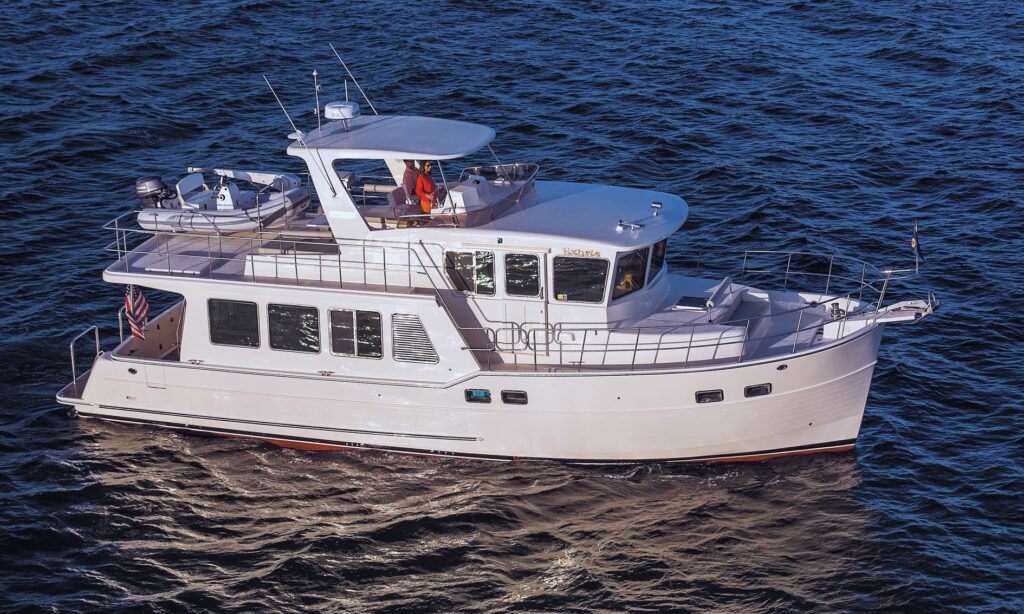
Bringing a dog or cat aboard fundamentally alters daily boat operations, from line handling at the dock to anchoring choices in remote coves. A boat’s layout and movement affect each pet differently. Vibration, unfamiliar movement, engine heat, and steep boarding angles can disorient even calm animals. Successful passagemaking requires habituating your pet to the boat well in advance, setting up physical barriers for docking, establishing dependable hygiene routines, and understanding legal border clearances.
Long-range provisioning, systems maintenance, and human crew routines demand their own preparation. To review general vessel outfitting and crew dynamics separately, see Can You Live on a Trawler? What to Verify Before Moving Aboard and Family Adventures on a Trawler for Safe and Fun Cruising. Managing four-legged crew members requires its own focused operational plan.
Evaluating Pet Suitability with Staged Dockside Trials
An animal’s reaction to boat life cannot be predicted from their behavior on land. Begin acclimation at the dock with the vessel securely tied to the slip and the engines cold. Let your pet explore the interior spaces, sniff new surfaces, and identify comfortable resting spots on their own terms.
Once your pet moves comfortably through the interior, introduce standard shipboard machinery. Start the generator, run the air conditioning or heating systems, and operate fresh-water pumps while monitoring behavioral cues. Changes such as panting, pacing, drooling or hiding deserve attention; their cause cannot be diagnosed from behavior alone. Ask your veterinarian about persistent or concerning signs.
Follow dockside habituation with short, predictable outings under power:
-
Choose a short, suitable outing that can be changed if the pet is uncomfortable.
-
Observe how your pet handles engine vibration, deck pitch, and rolling motions.
-
Note whether they seek out secure, low-center-of-gravity corners or pace anxiously across slick cabin soles.
-
Test whether your dog will drink water or accept food while underway.
Some animals relax immediately into the rhythm of the vessel. Others struggle with equilibrium or refuse to relieve themselves aboard even after hours on the water. Identifying these tendencies while still operating out of your home marina allows you to modify deck surfaces, add traction mats, or reassess trip durations before committing to an offshore passage.
Managing Pet Movement, Boarding, and High-Traffic Maneuvers
Close-quarters maneuvering is a busy period when loose pets can interfere with the crew or be exposed to hazards. During line handling, locking through, or anchoring, the entire crew must focus on line loads, dock distances, and helm commands. A loose pet underfoot distracts the crew and risks being stepped on, falling into open engine hatches, or leaping across a widening gap between hull and dock.
Establish a clear protocol that confines pets before the boat approaches a marina wall or anchor drop:
-
Designate an enclosed, climate-controlled retreat—such as a closed salon, aft cabin, or secure travel crate—where the animal remains until all lines are made fast.
-
Choose containment and flotation equipment appropriate to the individual pet, and check fit and the manufacturer’s intended use.
-
Avoid arrangements that could leave the animal trapped, dragged or suspended if it falls.
-
Decide which adult is responsible for the pet while others operate the boat.
Boarding transitions between the yacht, the dock, and the tender present another physical hazard. Assess each boarding transition for movement, height difference, gaps and the pet’s physical abilities. A ramp or lifting arrangement may help only when it suits the animal, equipment and conditions. Do not assume a harness handle is rated to lift a pet. Practice appropriate boarding at the dock and change the plan when a tender transfer is unsuitable.
Practical Systems for Feeding, Rest, and Onboard Sanitation
Familiar food, accessible fresh water, rest and a workable toileting routine can make life aboard more predictable. Discuss health concerns with your veterinarian rather than treating a routine change as a diagnosis.
Hydration requires constant management. Rolling seas spill standard water dishes quickly, soaking salon carpets and creating slipping hazards on gelcoat or finished teak. Weighted, wide-base bowls with splash-reducing inner rims keep fresh water accessible throughout the day. Place non-skid rubber mats under feeding stations to prevent bowls from sliding across the sole as the boat heels.
Plan your waste management approach based on the layout of your yacht and your pet’s bathroom habits:
| Option | What to Trial | What to Plan |
|---|---|---|
| Turf-style toilet mat | Whether the dog will use it aboard | Waste collection, cleaning and suitable disposal |
| Absorbent pads | Whether they stay secure and are accepted | Storage and shore disposal of used pads |
| Litter box | Access and a comfortable, stable position | Appropriate litter and hygienic waste handling |
Trial an onboard toileting area before a longer trip. Keep it accessible, clean and secure for the pet, and collect waste for appropriate shore disposal. Choose cleaning products suitable for the surfaces and follow their instructions; do not plan on washing pet waste overboard. If the animal will not use the arrangement, shorten the trip or make another suitable care plan.
Veterinary Preparation and Border Clearances
Health and regulatory requirements for cruising animals involve long lead times. Marine environments expose pets to unique hazards, including saltwater ingestion, foreign objects washed ashore, fishhook injuries, and localized parasite strains. Crossing international maritime borders introduces strict statutory import rules that can halt a cruise at the customs dock.
Veterinary Care and Travel Health
Contact your veterinarian early enough to prepare for the actual destinations and travel dates. Discuss the pet’s existing health, vaccinations, identification, prescribed supplies, first-aid preparation and response to motion or anxiety. Let the veterinarian tailor the plan; a single timeline or equipment list does not fit every animal or border crossing.
Cross-Border Regulations and Documentation
Check every destination’s animal-entry rules and the requirements for returning home before fixing the itinerary. Requirements and lead times differ by animal and jurisdiction.
Keep the applicable documents organized and available offline, and confirm the arrival process with the responsible authority. For bringing a dog into the United States, use the CDC’s current guidance and navigator: the requirements depend on the dog’s recent country history and where it was vaccinated. Other federal and destination requirements may also apply. Do not assume a prior departure from the United States makes re-entry automatic.
Matching Anchorages and Shore Stops to Pet Limitations
Cruising itineraries built around pet ownership require balancing the vessel’s anchoring needs with the physical reality of getting the animal ashore. While an anchorage may offer excellent holding and shelter from swell, it provides little utility if high surf, rocky shorelines, or local municipal rules prevent you from landing a dinghy for bathroom breaks.
Investigate shoreside access points before dropping the hook. Confirm pet access directly with each marina, beach, park and landing authority; permission at one stop does not establish permission at the next.
Protected marine environments often maintain absolute exclusions to protect native fauna. For example, official Channel Islands boating guidance states that pets are not allowed in the park and describes island-specific landing restrictions. Review the current rules before planning a visit with a pet. Where access is restricted, make an alternative care or itinerary plan rather than relying on a routine shore walk.
When an itinerary calls for extended visits to parks, historic sites, or remote anchorages that prohibit animals, prepare alternatives:
-
Identify appropriate kennels or pet-sitting services near major transit ports where your pet can stay comfortably while you explore restricted waterways.
-
Agree on a suitable care arrangement if people leave the boat. Cooling equipment or a remote alert is not a substitute for considering the pet’s needs and what happens if power or communications fail.
-
Factor weather windows into relief schedules; an unexpected change in wind or a rising chop can make a dinghy run to shore hazardous, forcing an animal to wait hours longer than planned.
Configuring Your Trawler for Life with Pets
Boat layout plays an immediate role in how comfortably an animal adapts to extended voyaging. Evaluate stairs, surfaces, doors, resting spaces and boarding points for your particular pet. A feature that works for a young dog may not suit an older animal, and a sheltered deck does not remove the need for supervision and appropriate equipment.
When exploring our current models, consider how different deck layouts, single-level salon configurations, and cockpit access points align with your cruising style and the physical needs of your crew. If you are developing your passage plans and weighing layout choices, talk with us about your regional cruising goals, your crew’s daily living requirements, and the vessel features that provide long-range comfort for everyone aboard.