

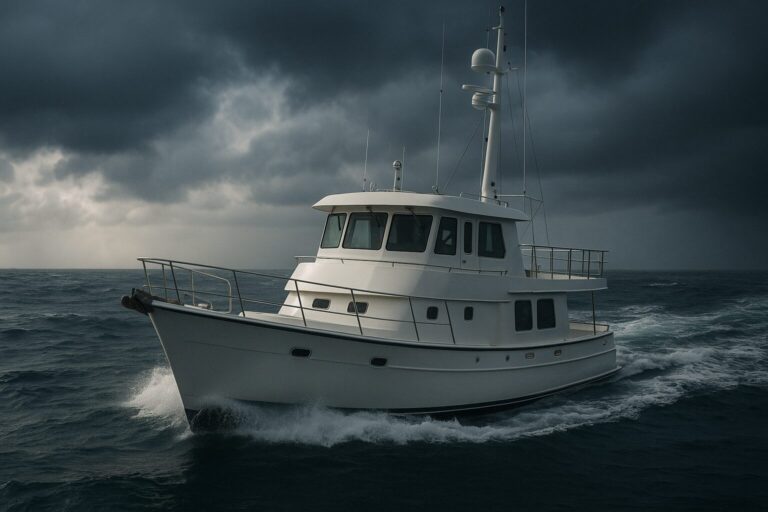
Navigating a pilothouse yacht is a unique and rewarding experience. Unlike open flybridge vessels, pilothouse yachts provide greater protection, better visibility, and year-round usability, especially in challenging regions like the North Pacific. But even the most well-built pilothouse yacht isn’t immune to the impact of weather. From heavy fog off the Alaskan coast to sudden squalls in the Puget Sound, weather plays a critical role in safe and successful navigation. For captains and cruisers alike, understanding how different weather conditions affect pilothouse operations and knowing how to prepare is key to enjoying every voyage with confidence.
Visibility: The First Line of Defense
One of the biggest weather-related challenges for any pilothouse navigator is reduced visibility. Whether it’s thick morning fog, sideways rain, or falling snow, poor visibility can complicate even the most familiar routes. In the pilothouse, you’re already one step ahead thanks to elevated sightlines, glass-enclosed protection, and the ability to control all systems from inside. However, when fog settles in or a storm cuts down your visual range, you’ll need to rely heavily on your instruments—radar, AIS, GPS chartplotters, and depth sounders. Before heading out in conditions where visibility could be compromised, do a full systems check. Make sure your radar is calibrated and clear of obstructions, your AIS is transmitting and receiving, and that your charts are up to date. Consider practicing low-visibility maneuvers in safe areas to build confidence in your equipment.
Wind: Not Just for Sailboats
High winds can dramatically affect how your yacht handles, especially in open water or tight docking situations. While trawlers and pilothouse yachts are known for their stability and displacement hulls, even heavy boats can drift, heel, or respond unpredictably in gusty conditions. Wind can also be deceptive. Conditions may appear calm in the marina but shift quickly offshore. This is especially common in the North Pacific, where microclimates create local wind events near islands, inlets, or mountainous shorelines. When navigating in windy weather, reduce speed for better control and avoid large beam seas if possible. Use wind forecasts to plan routes, and consider delaying your trip if small craft advisories are in effect. Many pilothouse yachts are equipped with bow and stern thrusters, these can be a major asset when maneuvering in wind-challenged harbors or tight channels.
Waves and Swell: Reading the Water
Weather doesn’t just affect the sky, it shapes the sea. Swells, chop, and cross-currents all make for more challenging conditions. A long-period swell might look manageable on a screen but feel uncomfortable over time. Likewise, short, steep waves can slam into the bow, making for a tiring and wet ride. Pilothouse yachts are designed to handle rough water better than many vessel types, especially with their enclosed helms and lower centers of gravity. But even so, heavy seas demand careful route planning and constant vigilance. Before departure, check multiple marine weather sources for sea state predictions—not just wind speed. Avoid routes that force you to take waves broadside, and if necessary, adjust course for a more comfortable heading. Don’t hesitate to throttle back to reduce pounding, and keep loose items secure.
Rain, Snow, and Ice: The Slippery Variables
Precipitation brings a new layer of complexity to navigation. Rain reduces visibility and can fog up your pilothouse windows, even with wipers and defoggers running. Snow and ice are less common but not unheard of in colder months or higher latitudes. While pilothouse designs shield you from the elements better than open-bridge setups, surface conditions on the deck can become slippery and dangerous. Always use non-skid surfaces and wear proper footwear when moving about the vessel. Heated windshields, defog fans, and good drainage design can make a big difference in comfort and safety. For extended cruising in colder climates, consider having de-icing gear on board and checking that your heating systems are in good working order—not just for comfort, but for operational safety.
Barometric Pressure and Sudden Fronts
One of the more overlooked weather factors in cruising is barometric pressure. Falling pressure often signals an incoming low-pressure system, which typically brings deteriorating conditions like wind, rain, and shifting seas. Modern electronics can track barometric pressure trends, and many experienced skippers still carry analog barometers in the pilothouse. A steady drop in pressure over several hours can be more telling than a cloudy sky. Fronts can approach rapidly in the North Pacific. Cold fronts often bring squall lines with sudden wind shifts and fast-moving rain, while warm fronts may bring extended rain and fog. Knowing how to read and interpret these patterns is part science, part experience but crucial to avoiding surprises.
Lightning and Electrical Storms
Though less common than in tropical areas, electrical storms can still form in the North Pacific during summer months or in transitional seasons. Pilothouse yachts with their metal fixtures and masts are natural attractors for lightning strikes. Avoid navigating during electrical storms if possible. If caught in one, unplug sensitive electronics, lower any non-essential antennas, and avoid touching metal surfaces. Ensure your vessel has a grounding system that can help dissipate a strike if it occurs.
Preparation: Your Best Weather Strategy
No amount of gear or technology can replace preparation. The more you understand local patterns, seasonal risks, and your yacht’s capabilities, the better you can respond to changing weather.
Here are a few general tips for safe pilothouse navigation in variable weather:
- Check multiple forecasts before any voyage (NOAA, Windy, PredictWind, etc.).
- Review your route for alternate anchorages or protected harbors in case conditions worsen.
- Perform a full systems check, including navigation electronics, fuel levels, and emergency gear.
- Practice using your radar and AIS in calm conditions so you’re confident when visibility drops.
- Maintain communication equipment and know your VHF channels for weather alerts and distress calls.
- Have a written float plan and let someone on shore know your expected timeline.
Final Thoughts
Pilothouse yachts are built for long-range cruising and all-weather comfort, but they still require skill, awareness, and good decision-making when facing unpredictable conditions. Weather will always be a part of the journey, especially in the North Pacific, but with preparation and respect for the sea, it doesn’t have to get in the way of an incredible adventure.
We turn your cruising dreams into reality by developing bespoke trawler and pilothouse yachts built for comfort, safety, and performance. From the initial hull design to the final varnish, our experienced naval architects and craftsmen collaborate with you every step of the way, integrating fuel-efficient engines, ergonomic deck layouts, and beautifully appointed living spaces. With industry-leading warranties and personalized support, we make sure your new yacht feels like home the moment you step on deck. Reach out to us by email at info@northpacificyachts.com for personalized responses to all your inquiries. If you’d prefer a conversation, we invite you to give us a call at 1-844-922-4877.